
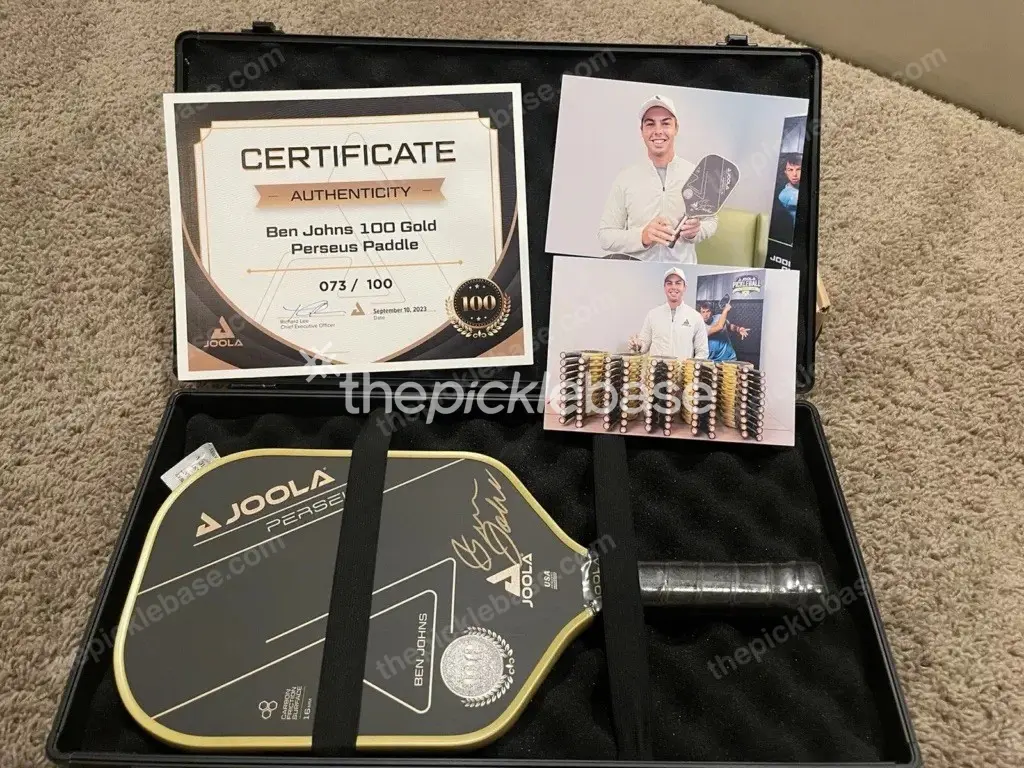
Are USD 200 to USD 300 paddles actually worth it, or is it hype? Based on most players and tested by data, the honest answer is they are not worth it. A premium paddle buys a little more pop, a nicer feel, and better durability. However, it does not buy you skill, and the gap over a good mid-priced paddle is smaller than the price gap suggests.
Here is what actually changes as you spend more.
What the Data Says About Price and Performance
On Matt's Pickleball's firepower leaderboard, paddles near USD 100 dollars regularly score within a few points of models costing more than twice as much. A USD 120 paddle can out-spin a USD 250 one. Beyond roughly the mid tier, you are paying for small, diminishing gains. In the end, performance flattens out well before the top of the price range.
Price tier | What you get | Who it is for |
|---|---|---|
Budget (under RM400 / $100) | Most of the performance. Value brands score close to premium on spin and power | Beginners, casual and most rec players |
Mid (RM400 to 600 / $100 to 150) | The sweet spot: near-top performance, good durability, sensible price | Improving and committed players |
Premium (RM600+ / $150+) | Marginal extra pop and feel, latest foam construction | 4.0+ players with a defined style |
What a Premium Paddle Actually Buys
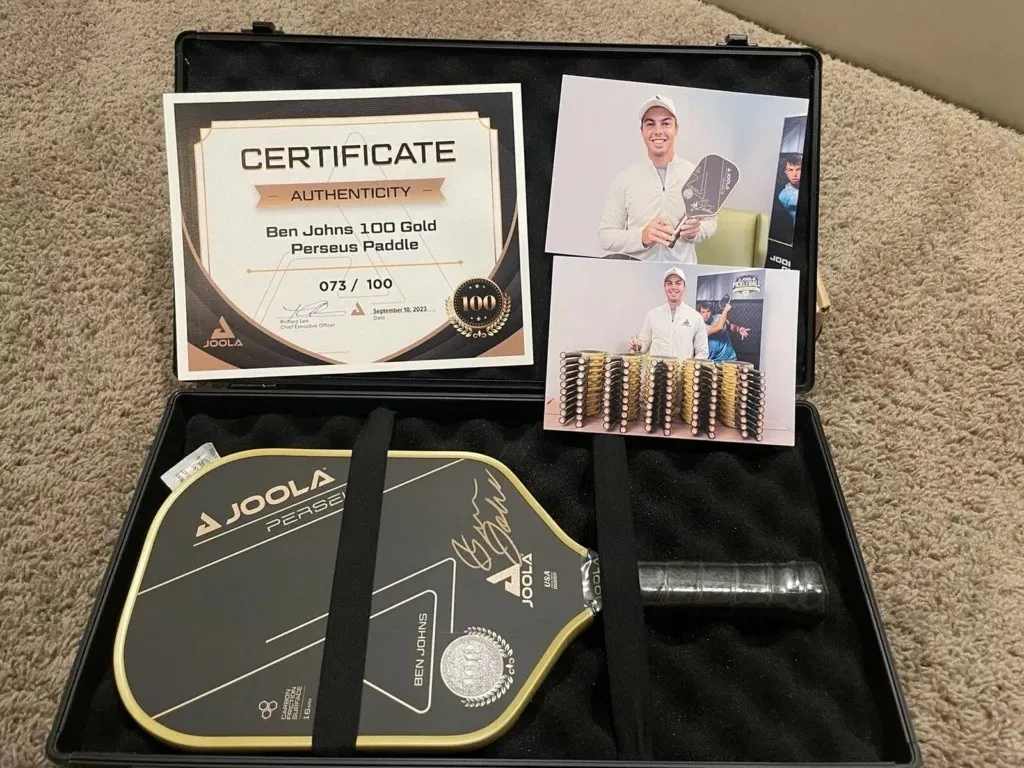
At the top end, you get the newest foam construction for a bit more power, a more refined feel that some players genuinely prefer, and sometimes a more durable surface. A premium paddle will not fix your third shot, your footwork, or your shot selection. Those are the things that actually lower your errors and raise your rating.
The Hidden Cost
Premium paddles have a shelf-life problem. Foam and thin thermoformed cores soften over time, and gritty surfaces wear. This means the paddle you paid a premium for loses performance within months of heavy play. Worse, some high-power paddles drift over the legal limit as they break in and get delisted by USA Pickleball, at which point they are not allowed in rated play. John Kew's durability testing shows how much spin different paddles lose. Factor in that a USD 250 paddle may need replacing within a year, and the value case gets weaker still.
Who Should Spend Up, and Who Should Not
- Spend up if you are 4.0 or above, know your style, and have felt a specific mid-tier paddle hold you back. Then the marginal gains are worth it to you.
- Do not spend up if you are a beginner or intermediate, are still figuring out your game, or play casually. A premium paddle will not help and may hurt, since the highest-power models are the least forgiving.
If you are new, a forgiving mid-priced paddle is the right call. Our best paddles by level list has specific picks, and how to choose a paddle walks through the reasoning.
The Value Sweet Spot
For most committed players, the smart money sits around RM400 to 600, or USD 100 to USD 150. That bracket gets you near-top spin and power, solid durability and a paddle you will not feel the need to replace in a season. Brands like Six Zero, 11SIX24, Ronbus and Vatic Pro are all within this range.
Common questions
Are expensive pickleball paddles worth it?
For most players, no. Lab testing shows paddles near 100 dollars match far pricier ones on spin and power. A premium paddle buys marginal pop, feel, and sometimes durability, not skill. Only committed 4.0+ players with a defined style see a real benefit.
How much should I spend on a pickleball paddle?
A beginner should spend in the budget-to-mid range, roughly RM150 to 400. Committed players get the best value around RM400 to 600, which delivers near-top performance without the premium price.
Is a $250 paddle better than a $100 paddle?
Only a little, and mostly in feel and the newest construction. On measured spin and power the gap is small, and the cheaper paddle sometimes wins. The extra money rarely translates to better results for a rec player.
Do expensive paddles last longer?
Not necessarily. Premium foam and thin cores can soften and wear within months, and some high-power models get delisted as they break in. Check the spin-durability tier rather than assuming price means longevity.