
Pickleball places emphasis on lateral (side-to-side) motion, rapid direction changes, quick stops, and pivoting. This means you need footwear with outsoles designed for grip with a low-profile base to keep your foot steady.
Not only does it keep you stable during those rapid movements, but it is also safer. In our article about why you shouldn't wear running shoes during a pickleball match, we compared the difference between normal pickleball shoes and running shoes.
Because running shoes have tall, thick soles and narrow heels, making a sharp lateral cut or lunging for a kitchen ball can cause your foot to roll off the edge of the shoe, leading to severe ankle rolls or sprains.
Running shoe treads are also not designed for sideways friction. On an outdoor pickleball court or polished gym floor, running shoes can slip when you try to plant your foot quickly.
If you're looking for new pickleball shoes, here are some recommendations in 2026:
Best Overall: SQAIRZ XRZ
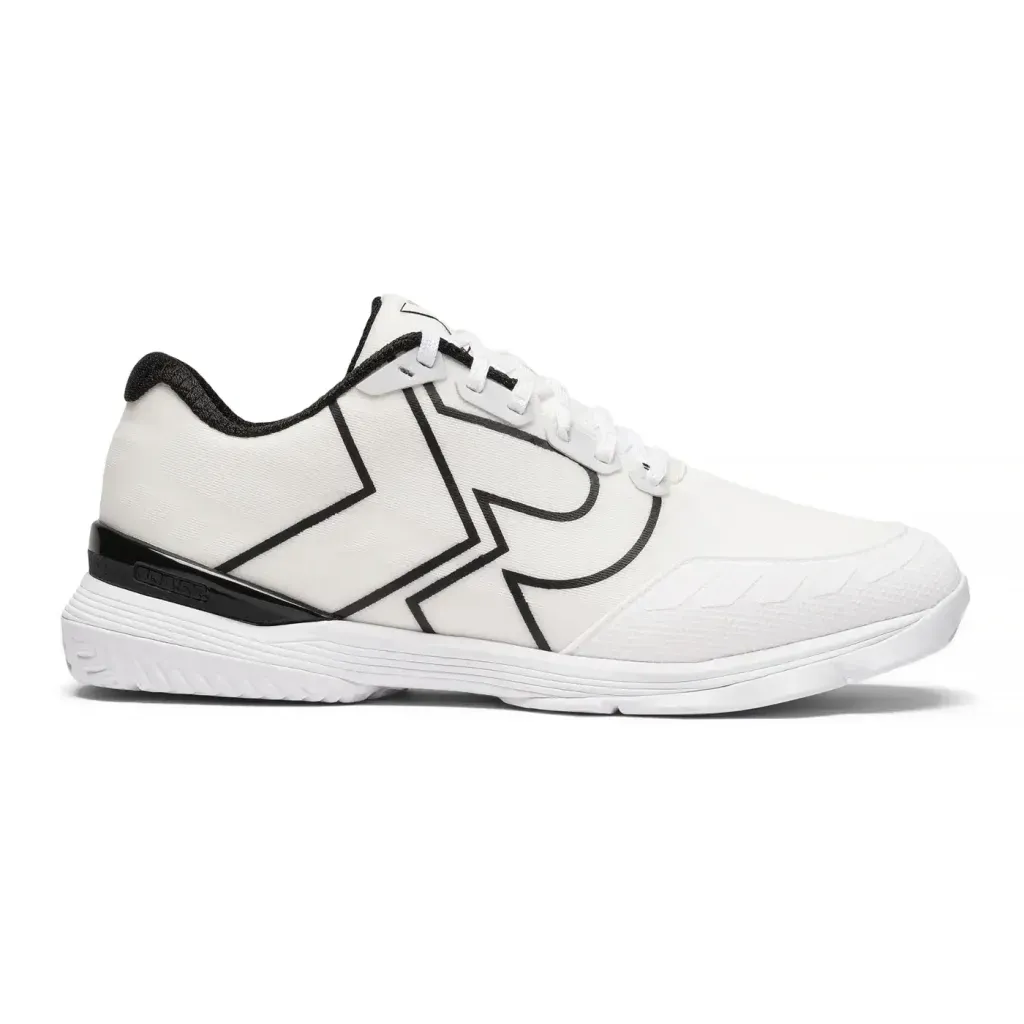
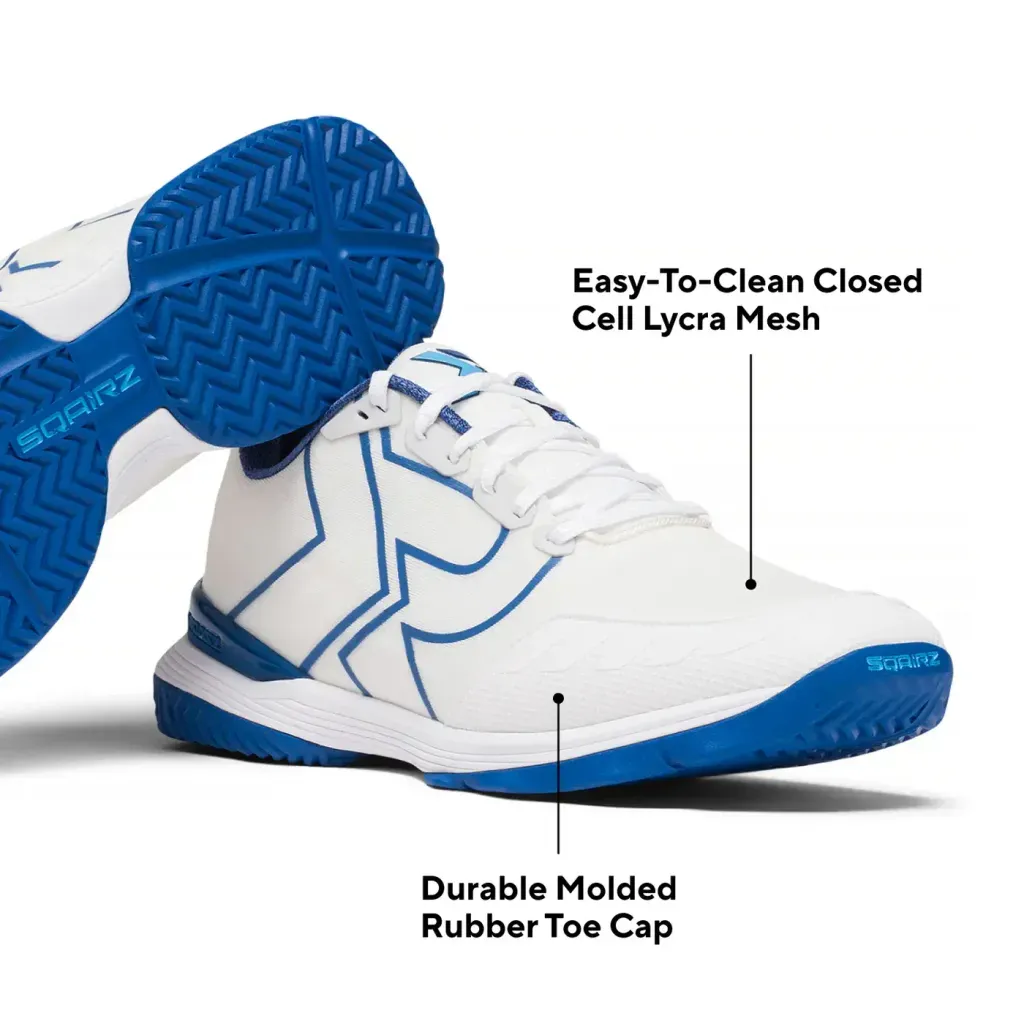
Best for: Players who want one shoe that covers both outdoor asphalt and indoor courts without compromise.
The SQAIRZ XRZ is built specifically for pickleball's stop-start movement pattern, with a reinforced heel counter that locks the ankle in place during hard plants. It holds up over months of three-times-a-week play without the outsole separating, which is the most common failure point in court shoes.
Best for Outdoor Hard Courts: Babolat Jet Mach 3
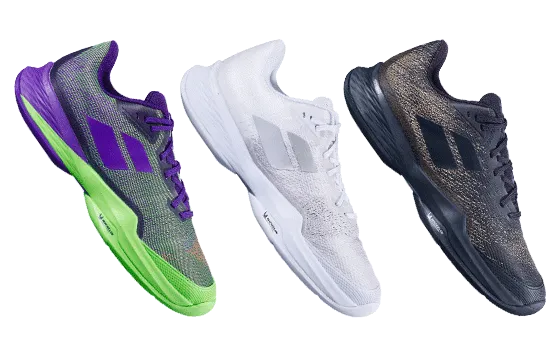
Best for: Players who log most of their hours outdoors on concrete or asphalt.
Babolat brought its tennis shoe expertise into pickleball with the Jet Mach 3. It uses a Michelin-rubber outsole, the same compound found on car tires, which holds up well against the abrasive surface of outdoor hard courts. It runs a medium width with a snug heel and typically sells for $130 to $150.
Best for Wide Feet: FitVille Wide Pickleball Shoe
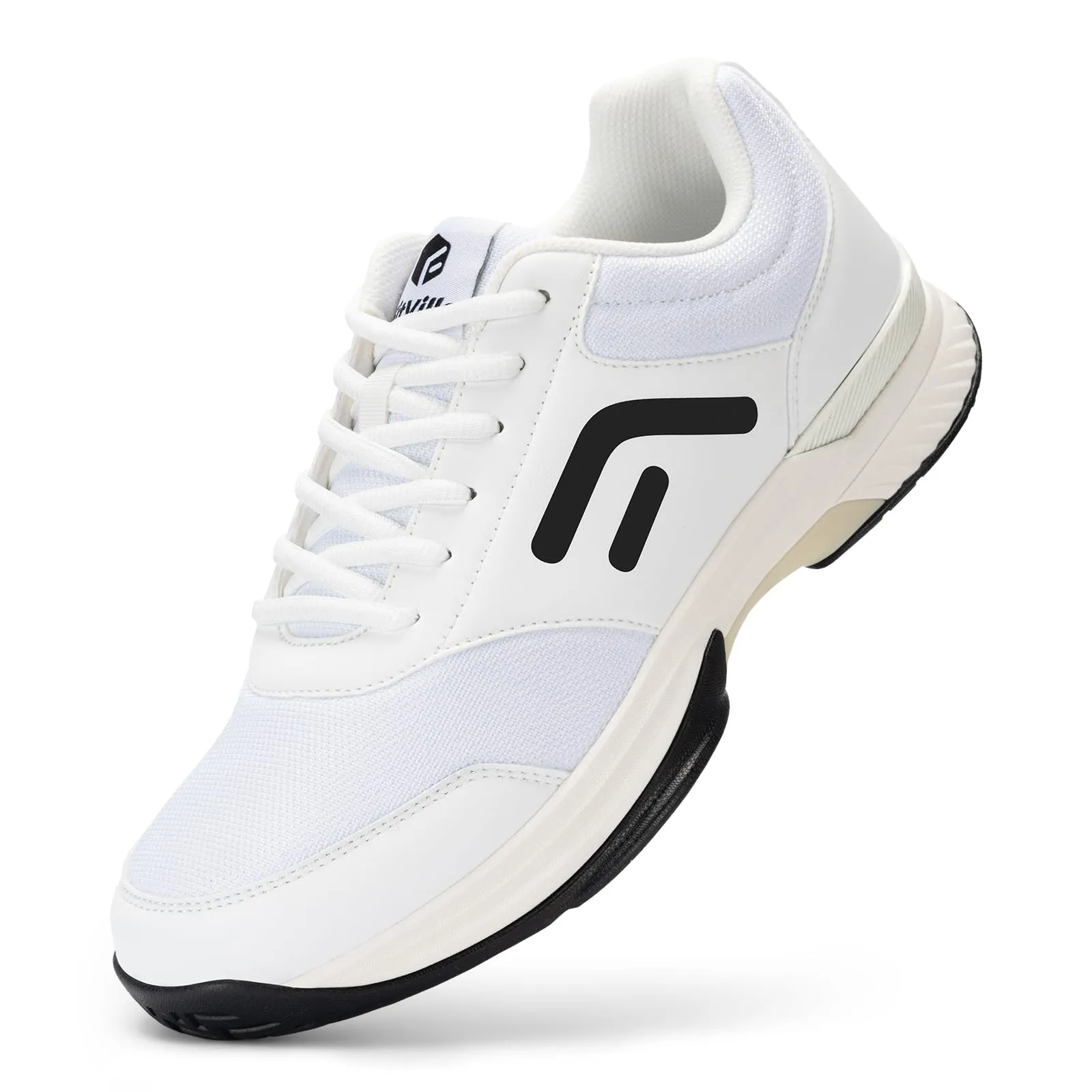
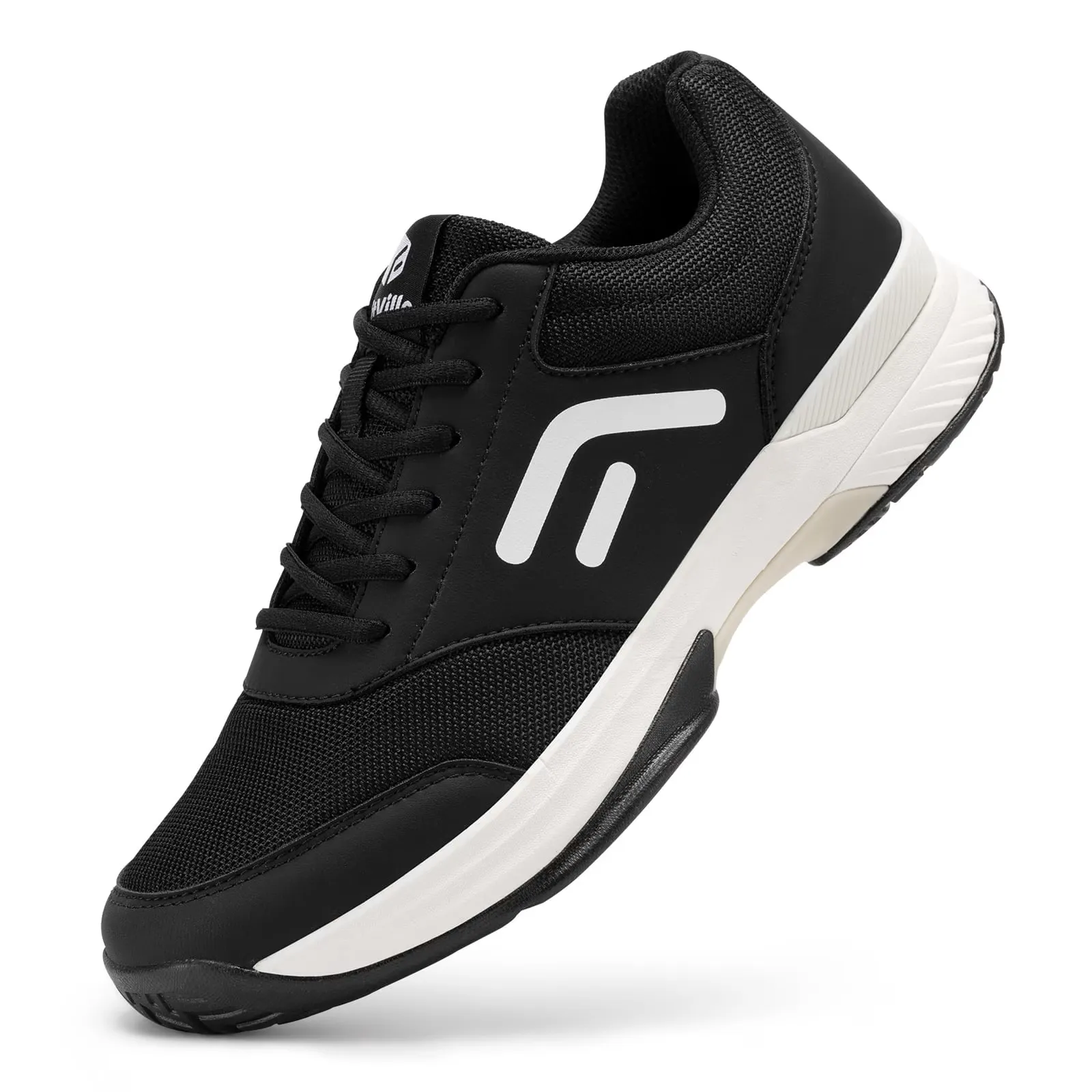
Best for: Players who have sized up in every other court shoe and still felt squeezed.
Most court shoes run narrow through the forefoot, which becomes a problem fast for wide-footed players doing lateral work. The FitVille Wide Pickleball Shoe builds in extra toe box room from the start, and at under $70, it undercuts most of the category on price too.
Best for Indoor Play: HEAD Motion Pro
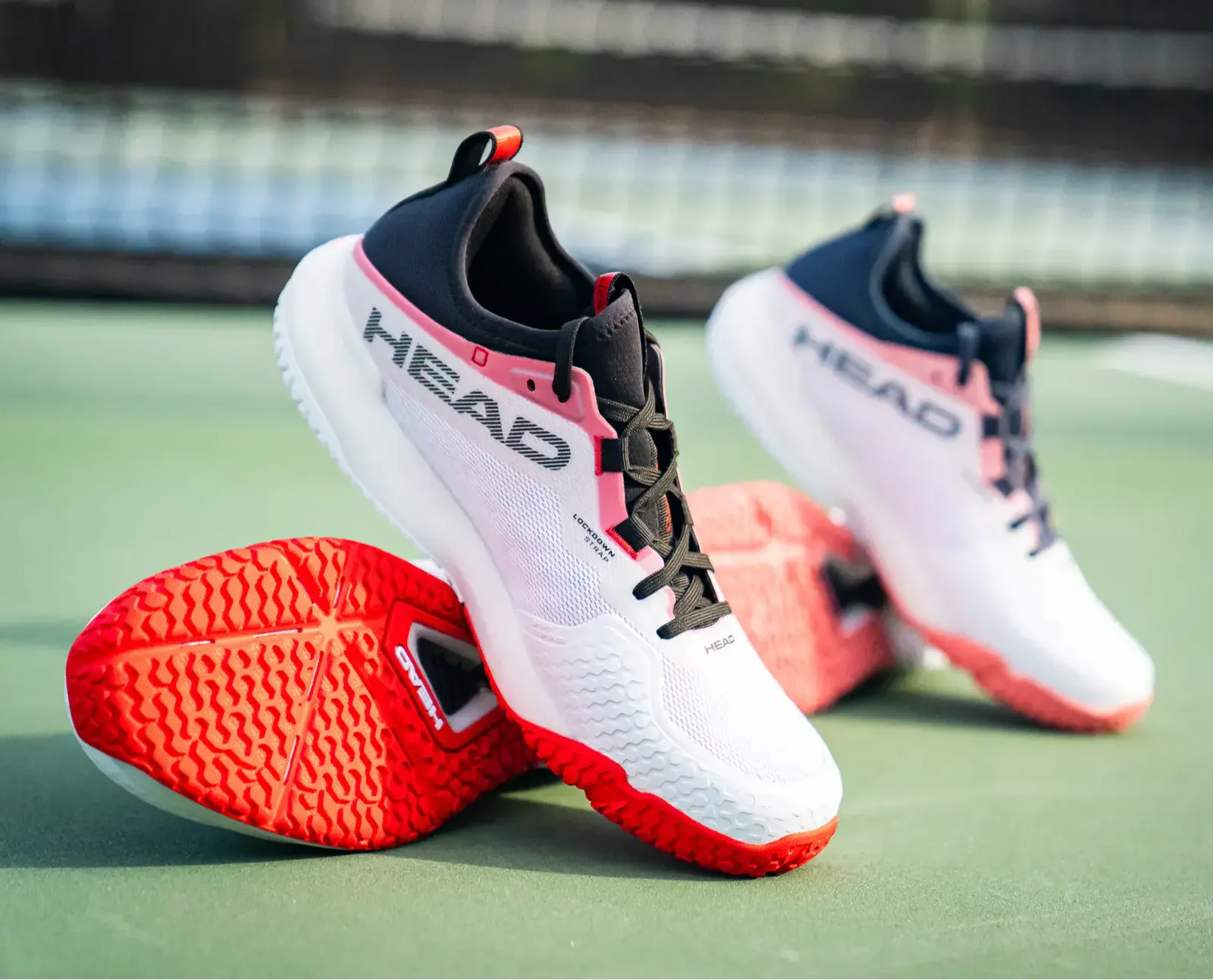
Best for: Players whose weekly sessions happen mostly in an indoor hall.
Indoor courts, especially the wooden or synthetic hall floors common across gyms in Malaysia and the Philippines, need a non-marking sole with high grip and low slide. HEAD's Motion Pro was built specifically for that surface, with a tread pattern that bites without squeaking through every direction change.
Best Budget Pick: Skechers Viper Court Pro 2.0
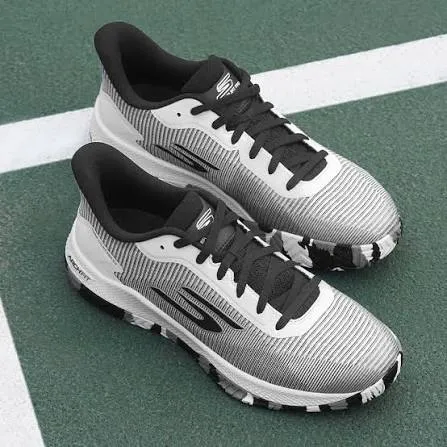
Best for: Players who want a real pickleball-specific shoe without paying flagship prices.
Skechers entered pickleball with a dedicated line rather than repurposing a tennis shoe, and the Viper Court Pro 2.0 is the result. It uses a memory-foam insole for all-day comfort and holds a genuinely competitive price against shoes costing twice as much.
Buying Shoes for Courts in Southeast Asia
When choosing a pickleball shoe, you should always take into account heat and humidity. Look for a breathable mesh upper over a fully synthetic one, since your feet will sweat through a two-hour session regardless of how good the shoe is. You can check our guide on what to wear during a pickleball match on a hot day.
Ready to gear up? Shop pickleball shoes and more at shop.thepicklebase.com.
Common Questions
Can I just wear my tennis shoes?
Yes, and it is a reasonable starting point if you already own a pair. Tennis shoes share the lateral-support design pickleball needs. The difference shows up in outsole tread, since pickleball's shorter, sharper movements wear through a tennis tread faster than tennis itself does.
How often should I replace pickleball shoes?
Most players playing three sessions a week see 4 to 6 months of life before the outsole loses grip or the cushioning packs down. Rotate two pairs if you play more often than that, which also extends the life of each pair.
Do I need different shoes for indoor and outdoor courts?
If you play both regularly, yes. An outdoor-rated outsole is too aggressive for indoor hall floors and can mark or slip on them. An indoor shoe wears out fast on abrasive outdoor concrete.