
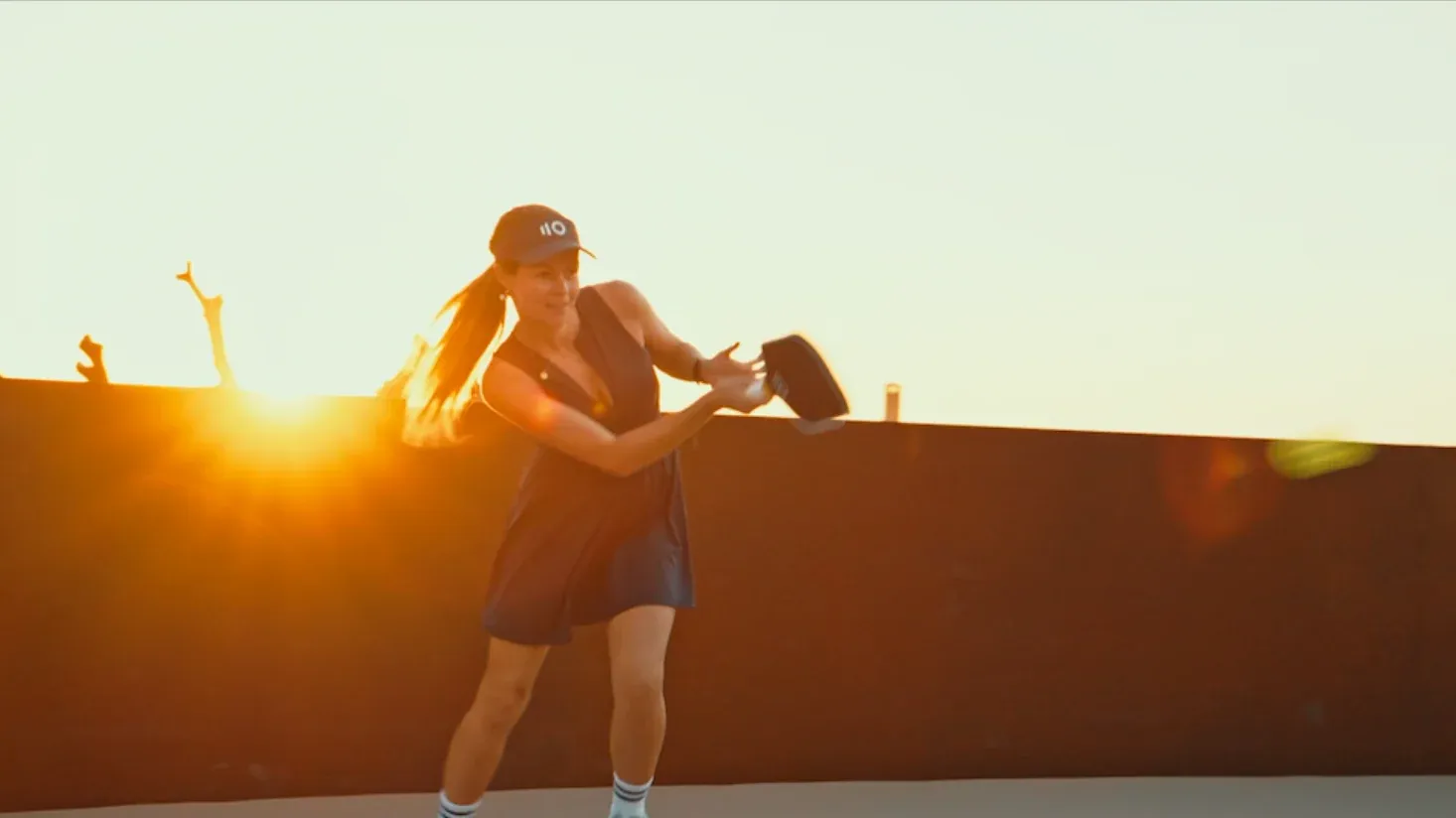
Long outdoor pickleball sessions, especially in Southeast Asia, can put a real strain on your body's ability to regulate temperature. Playing pickleball in Southeast Asia means tackling ambient temperatures around 30°C–35°C combined with humidity levels often exceeding 80–90%. In these conditions, sweat does not evaporate easily, so standard activewear gets heavy, clings to the skin, and traps heat quickly.
Best Fabrics for Hot Weather
Selecting fabrics for high-humidity, high-heat environments like Southeast Asia comes down to moisture management, GSM (grams per square meter) weight, and structural weave. Because sweat doesn't evaporate quickly in 80%+ humidity, standard moisture-wicking synthetic fabrics perform very differently under these extreme conditions.
Fabric Type | Best For | Strengths | Weaknesses |
Micro-Polyester (Pin-Tec / Mesh) | Tops & Sun Shirts | Fastest drying speed available; hydrophobic fibers pull sweat away from skin instantly. | Can retain odor over time if not treated with anti-microbial coatings. |
Nylon-Spandex Blends | Shorts, Skirts & Compression Liners | Cool-to-the-touch feel, extremely abrasion-resistant, superior multi-directional stretch for lunging. | Absorbs slightly more moisture than polyester, making it take slightly longer to dry. |
Bamboo / Viscose Blends | Casual Warm-up / Post-Match Wear | Exceptionally soft, naturally anti-bacterial, breathable. | Holds onto water when heavily saturated; too heavy once fully soaked during high-intensity games. |
Ultra-Light Merino Wool (120–150 GSM) | Socks | Regulates temperature, stays odor-free for hours, keeps feet cushioned even when damp. | Expensive and wears out faster on hard courts if not reinforced with synthetic fibers. |
Understanding how fabrics behave under extreme sweat load helps narrow down what actually performs on court.
- Micro-Polyester (Pin-Tec / Mesh): Polyester is naturally hydrophobic (water-repellent). Instead of holding water inside the fiber, it pushes liquid to the outer surface of the shirt where it can evaporate. Pin-tec and micro-mesh knits leave micro-perforations across the shirt, ensuring high airflow even when you are dripping sweat.
- Nylon-Spandex Blends: Nylon feels cooler to the touch initially and handles repeated friction (like thigh rub during low kitchen lunges) far better than polyester. It absorbs slightly more moisture than polyester, making it ideal for shorts, skirts, or liners where durability and soft stretch matter more than lightning-fast drying.
- Bamboo / Viscose Blends: Bamboo fibers feature microscopic gaps that make the fabric extraordinarily soft and breathable. However, once saturated beyond a certain threshold, it acts like a sponge. It is fantastic for post-match recovery gear, but heavy sweating mid-match will cause it to cling.
- Ultra-Light Merino Wool (120–150 GSM): Unlike thick winter wool, ultra-light merino regulates foot temperature and naturally prevents bacterial growth (preventing foul shoe odor). Synthetic blends (merino mixed with nylon) are crucial for pickleball socks to keep the fabric from tearing during hard court stops.
Core Features to Prioritize
If you're looking for activewear for pickleball, you should look for the following features to help combat the heat:
- Ultra-Low GSM Weight (100–130 GSM): GSM measures fabric density. Standard gym shirts sit around 160–200 GSM. In high humidity, that extra density holds heavy water weight. Stick to sub-130 GSM tops.
- Hydrophobic Wicking + Open Knits: Prioritize fabrics with a physical texture (pin-dots, jacquard mesh, waffle weaves) over flat-smooth knits. Texturized fabrics prevent wet material from suctioning flat against your chest and back.
- Capillary Action Finishes: Look for tags mentioning "chemical-free wicking" or "mechanical wicking," which means the structure of the thread itself pulls moisture away rather than a temporary wash-on coating that wears off after five laundry cycles.
- Low-Spandex Tops (Under 12%): Spandex (Elastane) gives great stretch, but it acts as a water retainer. You need only enough elastane for shoulder mobility. High-spandex tops take twice as long to dry.
Fabrics and Elements to Avoid
Overall, you would want to avoid fabrics that retain water and sweat. Here's what you need to avoid:
- Heavy Natural Fibers (100% Cotton, Linen, Heavy Rayon): Cotton fibers expand as they soak up water, trapping heat against your core and creating heavy friction zones that lead to severe skin chafing.
- High-Density Compression Fabrics (20%+ Spandex): Thick compression gear traps a layer of warm sweat directly against your body, effectively acting like a wetsuit in tropical climates.
- Rubberized / Non-Breathable UPF Coatings: Cheap sun-protection shirts rely on heavy chemical sprays or thick plasticized coatings to block UV rays, which destroys the fabric's breathability. Choose UPF garments that achieve protection through high-density lightweight weaves instead.
Best Colours To Wear in Hot Weather
Apparel color plays a major role in hot-weather pickleball, directly affecting both thermal regulation under direct sunlight and visual ball contrast during rapid kitchen play.
Reflecting vs. Absorbing Heat
Under direct sun, color selection dictates how much radiant energy your body absorbs. High-reflection colours (e.g. white, yellow, and light gray) reflect 80% of solar radiation . In thermal tests under direct sun, a white performance shirt can stay 15°F to 20°F (8°C to 11°C) cooler at the surface than a black or dark navy shirt. Dark pigments absorb thermal radiation across the visible and infrared spectrums, transferring heat straight into your body and accelerating fatigue.
In direct sun, light colors are unquestionably cooler. However, if playing under covered outdoor courts (in shade with high humidity and minimal direct UV), fabric weight and mesh ventilation matter far more than color.
Ball Colour Contrast
In pickleball, ball color directly impacts game vision. Official USA Pickleball (USAP) and global tournament rules restrict players from wearing clothing that matches the ball color (such as wearing neon yellow/lime shirts when playing with a standard yellow Dura Fast 40 or Franklin X-40).
If you wear a yellow or volt-green shirt, opponents can temporarily lose visual track of the ball as it crosses your body during fast dink exchanges. Solid white, light blue, mint green, or light coral tops keep you cool while providing crisp visual contrast against outdoor yellow or neon balls. In our article about what to wear for pickleball, we mentioned USAP gear requirements for high-level tournaments.
Essential Hot-Weather Accessories
When playing pickleball in high heat and extreme humidity, accessories helps keep sweat out of your eyes, maintaining your paddle grip, and keeping your core temperature down.
Recommended Option | Core Function |
Sun Visors or perforated mesh hats | Traditional caps act as heat traps; visors shield your eyes from glare while letting body heat vent directly off the top of your scalp. |
Silicone Gutter Bands (e.g., Sweat GUTR) or high-absorbency microfiber bands | In 80%+ humidity, fabric headbands quickly oversaturate. Silicone bands redirect sweat away from your eyes entirely, keeping vision clear during fast dink rallies. |
High-tack perforated overgrips + terrycloth wristbands | Sweat running down your arms will slick your handle instantly. Wristbands block arm sweat from reaching the hand, while perforated overgrips channel moisture away to prevent paddle slipping. |
Evaporative Microfiber Cooling Towels | Snap towels after soaking them in cold water to activate evaporative cooling; apply directly to neck and wrists during changeovers to drop perceived core temperature. |
Anti-fog, UV400 polarized court glasses or ventilated sports sunglasses | Protects against intense tropical sun glare while keeping sweat and high-velocity pickleballs out of your eyes. Look for rimless or vented frames so heat doesn't cause fogging. |
Visors and eye protection are important even if you're not playing in hot weather. In our article, we talked about how safety goggles and visors can help protect you from eye injuries in pickleball.
Playing Through Southeast Asia's Heat
Playing pickleball in Southeast Asia means you need to factor in heat and humidity. This means clothing with a high moisture-wicking effect and UV protection. Another way you can combat the heat is scheduling matches early in the morning or late in the afternoon when the UV index and ambient temperature drop. Pair hot-weather clothing with proper court shoes, covered in our guide to choosing the right pickleball shoe, since heat and long sessions also increase fatigue-related injury risk.
Find a shaded or early-morning court slot at courts.thepicklebase.com, and follow @thepicklebase on Instagram for more gear breakdowns.
Common Questions
Is UPF clothing necessary if I already wear sunscreen?
They work best together. Sunscreen protects exposed skin, while UPF clothing provides consistent, non-fading protection for covered areas throughout a long match, without the reapplication sunscreen requires.
Does a higher UPF number always mean a hotter shirt?
Not necessarily. Modern UPF 50-plus fabrics are engineered to stay breathable and lightweight, so a high rating doesn't automatically mean less airflow.
Should I wear light or dark colors for hot outdoor matches?
Light colors reflect more heat and are generally more comfortable in direct tropical sun, provided the fabric still carries a verified UPF rating.
How often should I replace hot-weather performance apparel?
UPF protection built into the fiber itself typically holds up for years of normal washing, but check for thinning fabric, since a worn, stretched-out weave loses UV-blocking ability over time.