
Pickleball continues to sweep the globe as one of the most accessible, engaging, and social sports available. It provides a fantastic way to stay active, which is why pickleball is the best sport for seniors. However, medical professionals are sounding the alarm on growing cases of eye injuries in the sport.
While many players are diligent about dynamic warm-ups to prevent common lower-body issues, as discussed in our guide to pickleball injuries in Malaysia, fast-moving upper-body hazards are often overlooked. Understanding the risks involved and taking simple preventive steps can keep your vision safe while you enjoy the game.
Why Eye Injuries Are on the Rise in Pickleball
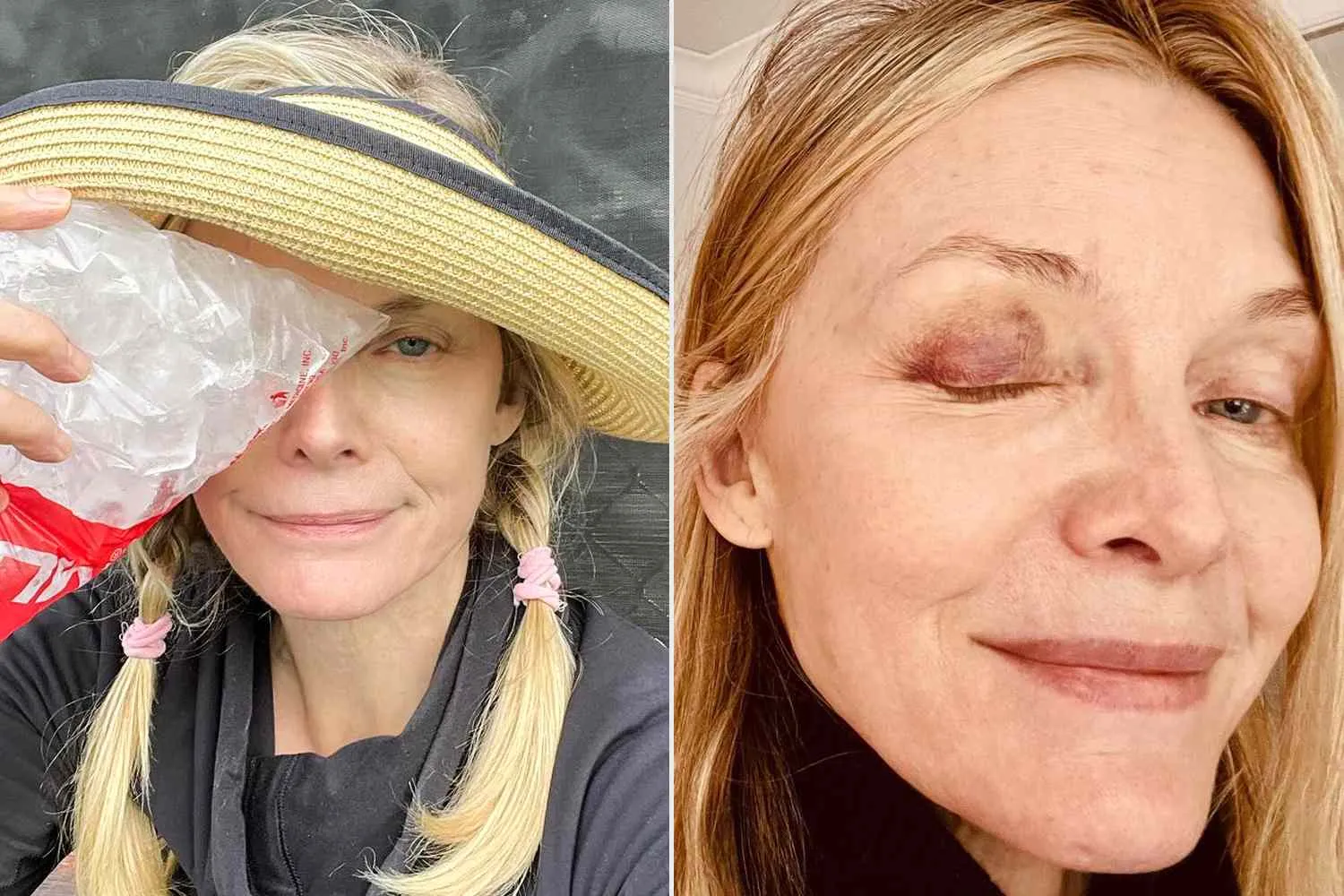
Recent clinical data highlight a noticeable spike in court-related eye trauma. A national study recorded roughly 1,200 pickleball-related eye injuries in 2024 alone, with cases climbing by more than 400 annually in recent years. Experts suspect the real numbers are even higher due to unreported minor incidents.
Several factors make pickleball uniquely prone to eye-related risks:
- High Ball Speeds and Fast Reaction Times: Though a pickleball is lightweight plastic, a hard-driven shot can travel up to 40 miles per hour. At that pace, the ball can cross the net and reach you in under half a second, leaving virtually no time to react or duck out of the way.
- Close-Quarters Kitchen Play: The kitchen line sits just seven feet from the net. During fast-paced kitchen battles and dink rallies, four players stand in proximity. This tight setup dramatically increases the chance of stray balls or accidental paddle hits hitting an opponent or a partner.
- Mixing Skill Levels: Open play sessions frequently bring together newcomers and seasoned competitive players. Unpredictable hits, misdirected power shots, or unexpected paddle swings by inexperienced partners increase the likelihood of accidental contact.
- Naturally Slower Reflexes: While older adults benefit immensely from the cardiovascular and social perks of the sport, reaction times naturally slow down over time. This fraction-of-a-second delay can make it harder to dodge a direct hit to the face.
Types of Eye Injuries to Watch Out For
Eye trauma on the pickleball court ranges from minor surface discomfort to vision-threatening emergencies:
- Minor Surface Trauma: Bruising around the eye socket (black eyes) and corneal abrasions, which are scratches on the surface of the eye.
- Internal Damage: Severe blunt force impact can cause internal bleeding within the eye or dislocate the eye's natural lens.
- Retinal Complications: High-speed impacts can cause retinal tears or complete retinal detachment, both of which require immediate medical intervention.
What are the Warning Signs?
If you or a playing partner get hit near or directly on the eye, do not brush it off. Seek medical care right away if you experience any of the following symptoms:
- Sudden blurriness or loss of vision
- Seeing flashes of light or a sudden increase in floaters
- Severe pain or visible bleeding around or inside the eye
Conditions like retinal tears do not always show full symptoms immediately, but early evaluation by an ophthalmologist can prevent permanent damage.
How to Protect Your Eyes on the Court
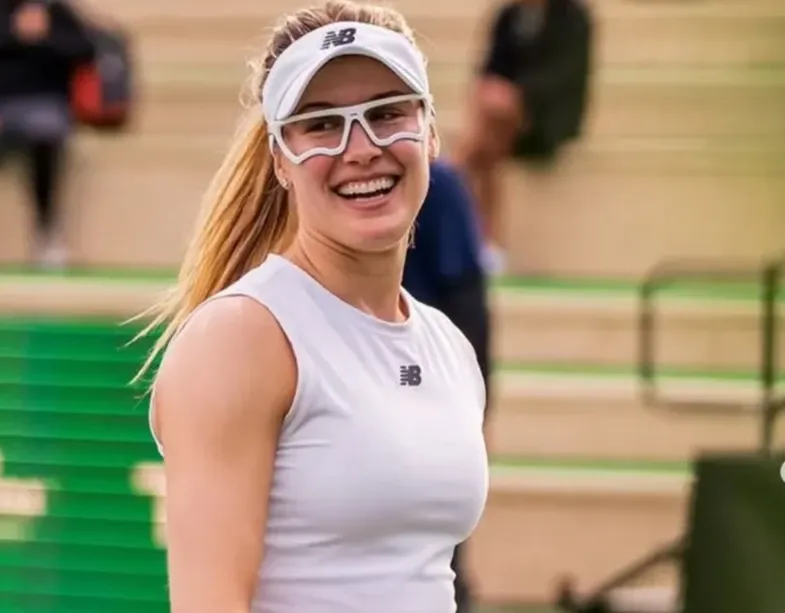
The vast majority of pickleball eye injuries are completely preventable. Standard prescription glasses or basic sunglasses offer limited protection because they are not designed to withstand high-impact collisions.
To protect your vision, consider these safety recommendations:
- Invest in Impact-Rated Eyewear: Look for sports-specific goggles made from impact-resistant polycarbonate. Wraparound designs with front and side coverage provide the best overall protection against stray balls and errant paddles.
- Choose Eyewear Designed for Racquet Sports: Safety goggles built for squash or racquetball are engineered to handle high-speed impacts without shattering or shifting out of position.
- Affordable Options Are Readily Available: Protective sports eyewear typically costs between $15 and $100, with many reliable, comfortable options priced right around $30.
Elevate Your Game and Stay Safe
Protecting your eyes with proper protective gear is one of the easiest steps you can take to ensure years of fun, safe play on the court.
If you are looking to refine your mechanics, improve your court awareness, or work with experienced instructors who can help you elevate every aspect of your game, check out coach.thepicklebase.com to find tailored coaching and expert training guides.