
Walk past any pickleball court on a weekday morning, and you will likely see more grey hair than in any other sport in the world. Pickleball has become the activity of choice for retirees, active agers, and anyone easing back into movement after years on the sidelines.
For older adults in Southeast Asia, pickleball is a cardiovascular workout that builds strength and balance and creates a social circle, all while remaining gentle enough on the joints that a 65-year-old can play comfortably alongside their grandchild.
Here is why the sport deserves a spot on every senior's activity list. We will also cover practical ways to avoid the cramps, soreness, and strain that can come with picking up this sport as a golden-ager.
A Workout That Does Not Feel Like One
Pickleball sits in a sweet spot few sports occupy. The court is small, roughly 6 by 13 metres (20 by 44 feet) for doubles, which is a fraction of a tennis court. That means less ground to cover and a lower impact on the knees and hips, while the underhand serve removes the shoulder strain associated with overhead tennis serves.
Despite the smaller footprint, the game is far from a gentle stroll. Short bursts of running, quick lateral shuffles, and constant reaction to the ball keep the heart rate elevated throughout a match.
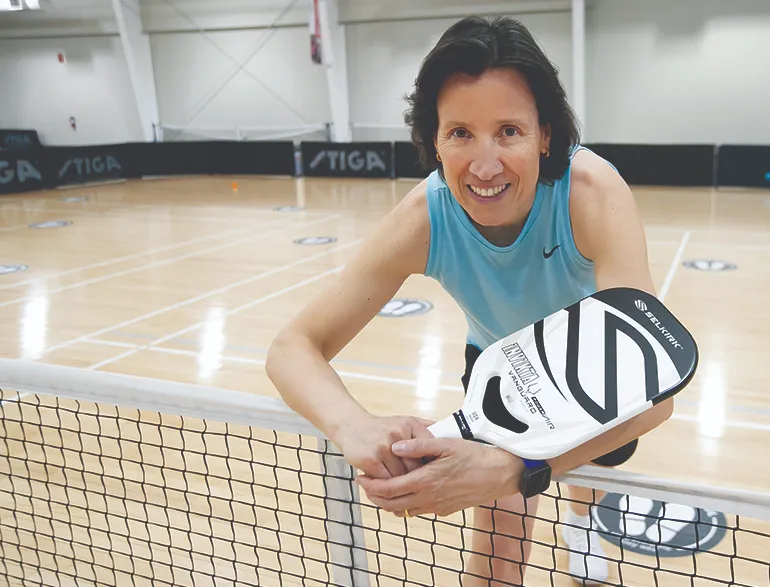
A 2022 study in the Journal of Aging and Physical Activity, led by University of Manitoba physical therapy professor Sandra Webber, tracked heart rate and step counts in players averaging 62 years old over sessions of up to two hours. Webber took up the sport herself before running the numbers, saying:
"There hadn't been much written about the physical activity associated with pickleball."
Her findings confirmed it delivers a genuine cardiovascular workout, one that helps support heart health, circulation, and healthy blood pressure over time. A typical hour of doubles play can burn several hundred calories, comparable to a brisk walk, but with far more variety and far less monotony.
The full-body engagement is part of the appeal, too. Swinging the paddle works the shoulders, arms, and core, while the squatting, shuffling, and split stepping required to reach the ball activate the legs and glutes. For seniors working to preserve muscle mass (which naturally declines with age), this kind of resistance built into a fun activity is difficult to replicate on a gym machine.
Better Balance Means Fewer Falls
Falls are one of the biggest health risks facing older adults, and this is where pickleball may offer its most meaningful benefit. The sport demands constant weight transfer, quick direction changes, and split-second adjustments as the ball comes off an opponent's paddle. Every one of those movements is a small balance training session in disguise.
The Journal of Aging and Physical Activity also noted in a 2023 study that adults over 65 who played pickleball twice a week for 12 weeks showed significant improvement in the Timed Up and Go test and single-leg stance duration, compared with a walking-only control group. This translates directly into everyday confidence, whether that means navigating an uneven pavement, climbing stairs, or simply moving through the house without a second thought.
The footwork required at the non-volley zone, the 2.1 metre (7 foot) strip on either side of the net where players cannot smash the ball, is particularly useful here. Dr. Carolyn Moore, a lifestyle medicine physician who writes on senior pickleball safety for Flagship Health, notes that this kind of stopping, planting, and changing direction strengthens the muscles around the hips and core, two of the areas most responsible for keeping older adults upright and steady.
The Social Media and Mental Side is Just as Important
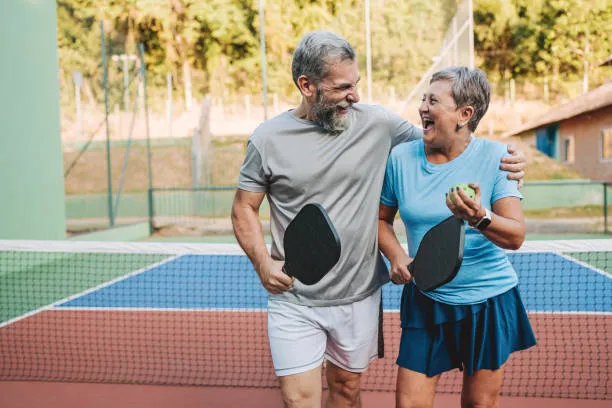
Physical benefits aside, pickleball's biggest draw for many seniors is simpler. It gets people out of the house and into a community. Doubles play means constant conversation between points, courts often mix generations and skill levels, and most clubs welcome newcomers warmly rather than gatekeeping the game for serious competitors.
That social contact matters more than it might seem. Isolation is a well-documented risk to mental health in older adults, and regular group activity has been linked to lower rates of depression and anxiety.
On top of that, the game itself is mentally engaging. Tracking the ball, anticipating an opponent's next shot, and keeping score all require quick thinking, giving players a cognitive workout layered on top of the physical one.
Getting Started Without Overexerting
The easiest way into the sport is to start slow. A paddle, a few balls, and a comfortable pair of court shoes are all that is needed. Most community centres or clubs are happy to lend equipment for a first session. Begin with one session a week and build up gradually as stamina and confidence improve, rather than jumping straight into daily play.
It also helps to have a doctor's input if there are existing joint concerns, heart conditions, or osteoporosis, since pickleball is safe for the vast majority of seniors but should be approached with a plan if there are underlying issues. Once cleared to play, the rest is about pacing, technique, and a bit of body maintenance, which brings us to the part most beginners skip.
How to Avoid Cramps, Soreness, or Muscle Pain
Most pickleball injuries among seniors are preventable, and almost all of them come down to a handful of habits that are easy to build into a routine. Here is what actually helps.
Warm up Before Every Session
Cold muscles and stiff joints are the most common reasons seniors strain something on court. A 5- to 10-minute dynamic warm-up before play, not static stretching, prepares the body for the sport's quick stops and direction changes.
Warm-up move | Duration | What it prepares |
Marching or light jogging in place | 1 minute | Raises heart rate and circulation |
Arm circles | 30 seconds each direction | Loosens shoulders for swings |
Hip rotations | 1 minute | Keeps hips mobile for lateral movement |
Ankle rolls | 30 seconds per foot | Reduces sprain risk from pivoting |
Torso twists | 1 minute | Warms up the core for stability |
Light paddle swings | 1 minute | Primes shoulders for game speed |
Side steps or shuffles | 1 minute | Rehearses the footwork used in rallies |
Always Stay Hydrated
As the body ages, thirst signals become less reliable. This means seniors can be dehydrated well before they feel thirsty. Dehydration is also one of the biggest triggers for muscle cramps during and after play.
Drink water steadily before, during, and after a match rather than waiting to feel parched. In hot and humid conditions (like in Southeast Asia), consider a drink with electrolytes such as sodium, potassium, and magnesium rather than a sugary sports drink.
Choose the Right
A paddle that is too heavy strains the wrist and shoulder over time, while one that is too light can lead to overcompensating with poor technique. Supportive court shoes with good lateral stability are worth the investment too, since running shoes are not built for the side-to-side movement pickleball demands and can raise the risk of ankle injuries.
Mind your Technique
Two habits cause a disproportionate number of senior injuries:
- Running backward to chase a lob is a common cause of falls. Turning the body sideways and stepping back instead is far safer.
- Overreaching for wide shots rather than moving the feet to the ball, which puts unnecessary strain on the shoulder and lower back.
Good footwork protects the body more than any supplement or stretch ever will.
Cool Down and Recover
After the last point, spend a few minutes on static stretches for the hamstrings, calves, quads, and shoulders, holding each for 20 to 30 seconds. This is also the window to refuel with a source of protein and to keep drinking water. Many players over 50 find that foam rolling the legs, a warm bath, or simply prioritising a good night's sleep makes the biggest difference in how the body feels the next morning.
Know When to Rest
Playing four times a week is plenty for most seniors easing into the sport, with sessions capped at one to two hours. Soreness that fades within a day or two is normal. Sharp pain, swelling, or discomfort that lingers is the body's way of asking for a break, and pushing through it is how a minor niggle turns into a real injury.
A Sport Worth Trying At Any Age
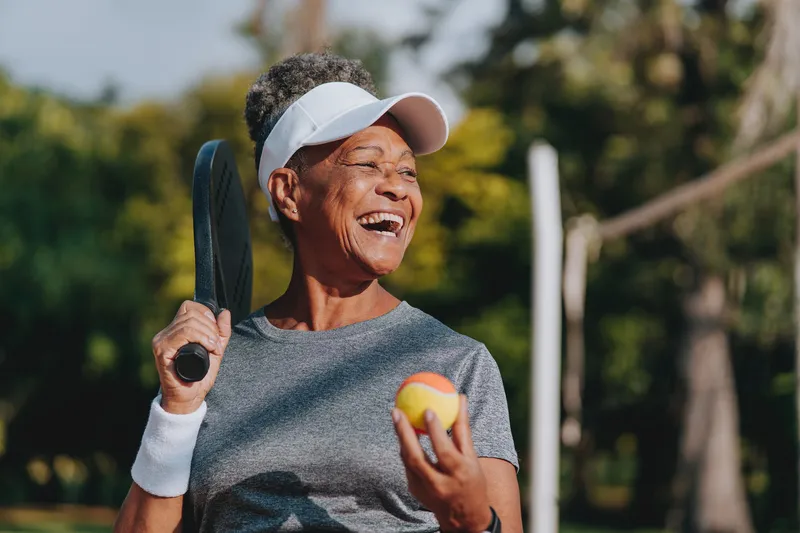
Pickleball's popularity among seniors is not a passing trend. It is one of the few sports that manages to be genuinely good exercise, genuinely social, and genuinely low risk when played sensibly. For anyone thinking about picking up a paddle later in life, the hardest part is usually just showing up to the first session.
If you are unsure where to start or want guidance tailored to your fitness level and goals, a certified coach can help you build proper technique from day one, which goes a long way toward preventing the strains and bad habits that are harder to unlearn later. Browse coaches near you at coach.thepicklebase.com, or follow @thepicklebase on Instagram for more tips on playing smart as you age into the sport.