
According to a New Straits Times report published this, pickleball and HYROX injuries are climbing fast in Malaysia, even if football still accounts for more cases overall. That single data point matches what clinics from Charlotte to Singapore have been reporting for a few years.
In our article comparing pickleball vs badminton, we mentioned how pickleball is easy to pick up because of its low physical barrier. But just because it is less strenuous to the body compared to other racquet sports, it doesn't mean you can skip warm-ups altogether.
This guide breaks down what is actually causing the spike, which injuries show up most often, and the specific habits that keep you on the court rather than in a clinic waiting room.
What Malaysian Doctors Are Actually Seeing
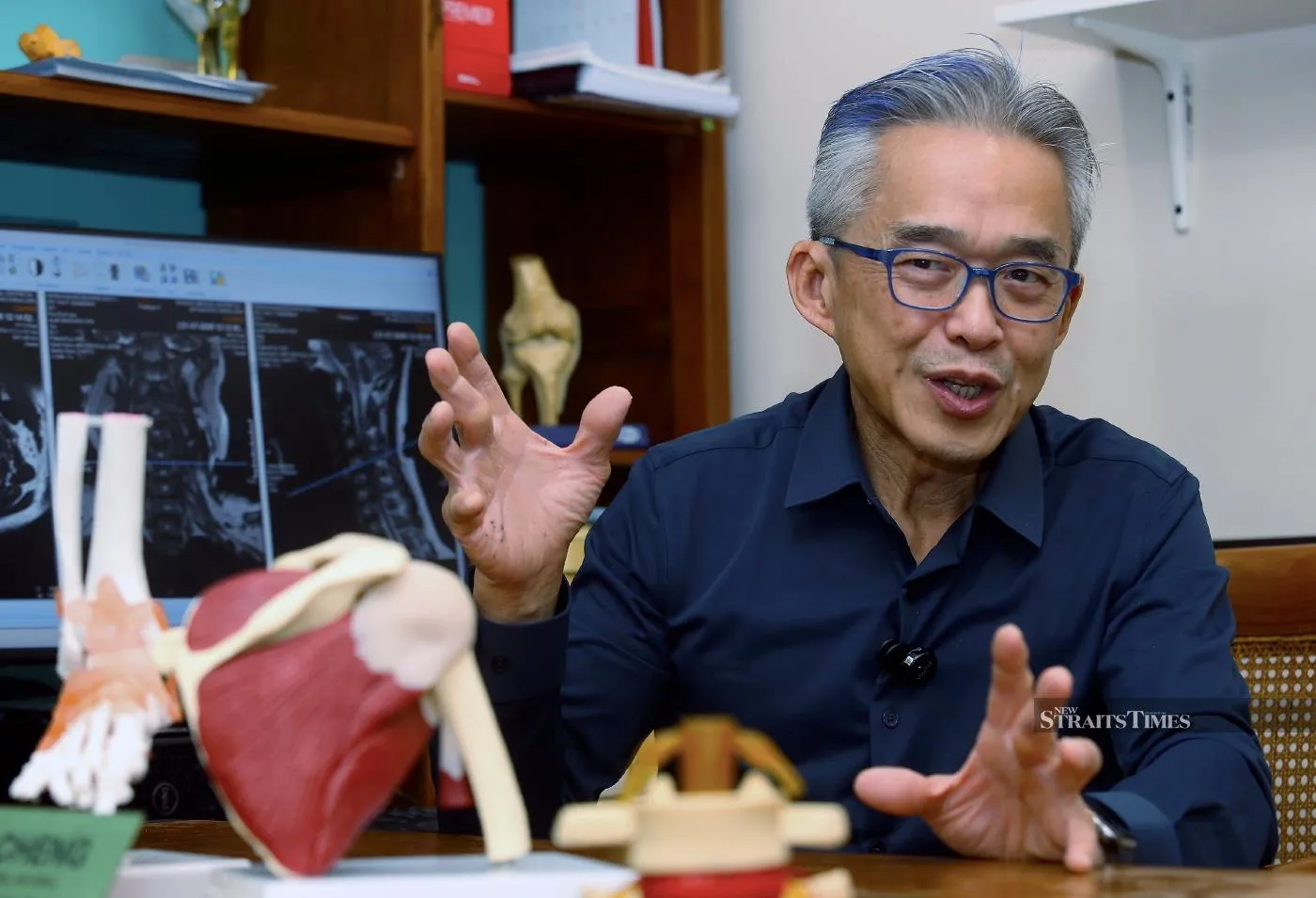
According to the NST report, consultant orthopaedic and sports surgeons at Sunway Medical Centre Damansara, Dr. Gan Eng Cheng and Dr Raymond Yeak Dieu Kiat, are treating a rising number of recreational players for soft tissue and ligament injuries. These include shoulder and elbow tendinitis, ankle sprains, knee ligament tears, and delayed onset muscle soreness that match what's showing up in other clinics worldwide.
Football is still Malaysia's biggest source of sports injuries by volume. But the surgeons flagged pickleball, padel, and HYROX specifically because the players walking in are often new to structured sport altogether. Quick direction changes and lateral movement can put a strain on joints without proper warm-up.
"As most of us are right-handed, most of the injuries occur to the left knee because in most sports you will be pivoting or twisting on your left knee, so you have to be cautious of this."
Pickleball Injuries are Common Worldwide
A 10-year analysis published in the Orthopaedic Journal of Sports Medicine found that national estimates of pickleball-related emergency department visits jumped from 1,313 cases in 2014 to 24,461 in 2023. Separately, NBC News reported that bone fracture rates linked to pickleball rose 200 % over the past 20 years, based on an analysis presented at the American Academy of Orthopaedic Surgeons meeting. Roughly 92% of those fractures happened during falls, not contact.
A 2024 South Korean cross-sectional study of 232 recreational players, published in PMC, found that 34.2% had suffered an injury in the previous 12 months, most often in the knee, elbow, or shoulder.
Overuse injuries(a gradual onset with no single traumatic event) accounted for 78% of those cases. That statistic matters because it means most pickleball injuries are not freak accidents. They build up slowly and are usually preventable with better conditioning and earlier attention to pain.
Why Newer Players Get Hurt More Often
Universiti Teknologi Malaysia sports science lecturer Dr Hadafi Fitri Mohd Latip, speaking to The Sun, pointed to the same root cause. Many recreational athletes arrive with enthusiasm but "without adequate conditioning, mobility, strength foundation or recovery preparation." He explained that pickleball and similar sports demand explosive movements, rapid changes of direction, and repetitive loading, all of which punish a body that has not built up the strength and mobility to absorb that stress.
This is the gap that trips up most beginners. General fitness does not automatically translate into pickleball-ready joints. A regular gym-goer or runner can still roll an ankle or tear a rotator cuff in their first few months on court, because the specific lateral, stop-start demands of pickleball are different from what most other exercise prepares you for.
The Five Injuries That Show Up Most on a Pickleball Court
Injury | What causes it | Prevention move |
Ankle sprains | Quick lateral movements and sudden pivots, the single most common pickleball injury according to OrthoCarolina | Wear court or tennis shoes rather than running shoes, strengthen the peroneal muscles, use a brace if you have a history of sprains |
Achilles tendon strain or rupture | Sudden forceful push-off or violent ankle flexion, most common in "weekend warriors" aged 30 to 50 | Regular calf stretching and strengthening, proper footwear, a real dynamic warm-up before the first point |
Tennis elbow (pickleball elbow) | Repetitive wrist-extensor strain from paddle swings, affecting up to half of racket sport players | Correct grip size, forearm strengthening exercises, a counterforce brace if symptoms start |
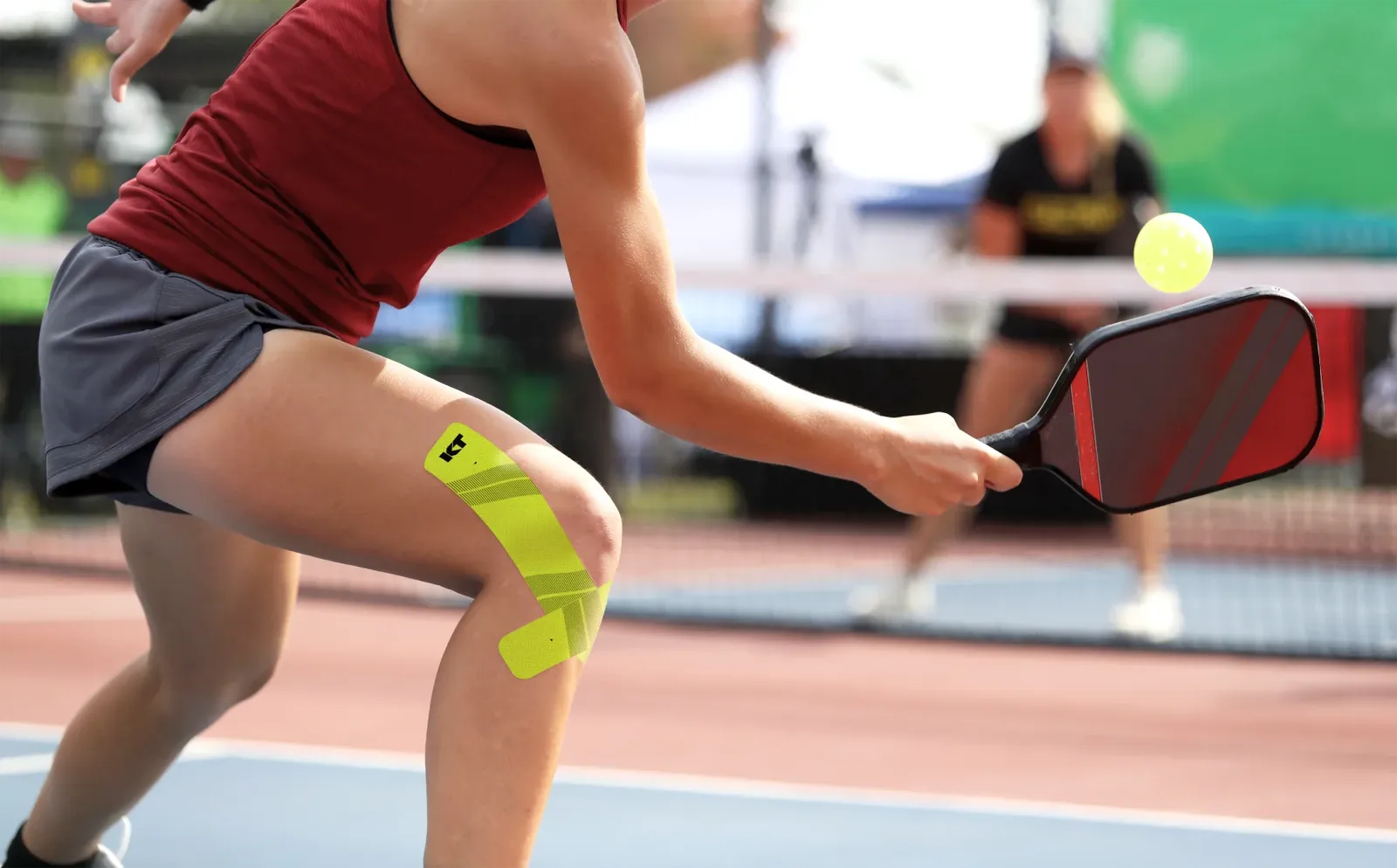
Knee ligament injuries | Rapid pivots and lateral cuts placing stress on the knee, worse for players with prior injury or arthritis | Core-to-floor strength work, single-leg balance training, compressive support for arthritic knees |
Rotator cuff and shoulder strain | Overhead smashes and repeated serving motion | Shoulder mobility work, external and internal rotation strengthening, technique correction |
Who Is Most at Risk?
Age is the clearest risk factor in the research. An early clinical review in Missouri Medicine found the majority of lower extremity pickleball and paddleball injuries occurred in players over 60. Benchmark Physical Therapy reports that more than 85 % of pickleball-related injuries between 2010 and 2019 were in players over 60, even as the sport's overall participation base grew younger and more diverse.
That does not mean younger players are safe. Beginners of any age who skip warm-ups, wear the wrong shoes, or push straight into competitive play without building a base are consistently flagged across every source as a distinct risk group, alongside players returning from a previous knee, ankle, or shoulder injury.
According to Dr. Gan:
"For pickleball, I see injuries in people as young as 12 to those who are over 70."
Never Skip the Warm-up
To avoid pickleball injuries, you need five minutes of the right preparation before you serve. According to Physio & Sole Clinic in Singapore, here are five habits to do to keep rec players physically able in court:
- Dynamic stretching
- Core and shoulder strengthening
- Flexibility work
- Scheduled rest days
None of it requires a gym membership or a coach. It requires doing it consistently, before every session, not just on the days your knees already feel off.
Persistent soreness that does not improve after a couple of rest days, declining performance during a match, and trouble sleeping are all signs the body is not recovering between sessions. That is the point to dial back frequency or intensity, not push through it.
Never Play Through the Pain
Most pickleball injuries respond well to rest, ice, and physiotherapy. But certain signs mean it is time to stop self-managing and get evaluated. Seek medical attention if you experience the following:
- Severe pain
- Visible swelling or deformity
- Inability to bear weight
- Popping sensation at the back of the heel
- Pain that keeps getting worse instead of settling over a few days
Left untreated, a minor strain can turn into a chronic problem that keeps you off the court far longer than a proper diagnosis and rehab plan would have.
If you are building out your own conditioning routine or looking for structured coaching to fix the technique issues that lead to overuse injuries in the first place, coach.thepicklebase.com is a good next stop.
Common questions
Is pickleball actually more dangerous than other sports?
Not inherently. Football still accounts for more injuries overall in Malaysia. The concern is the injury rate rising quickly among a player base that is often new to structured sport and skipping conditioning, not that pickleball itself is uniquely risky.
Why do so many pickleball injuries happen to older players?
Age-related loss of bone density, tendon elasticity, and balance all raise the risk of falls and fractures, and older players make up a large share of the recreational pickleball population. It is a numbers effect as much as a physical one.
What is the single most effective way to prevent a pickleball injury?
A genuine dynamic warm-up before play, paired with court or tennis shoes rather than running shoes. These two habits show up as prevention advice across nearly every clinical source, and they take under ten minutes to build into your routine.
Can I still play pickleball after a knee or hip replacement?
Often yes. Orthopaedic guidance generally allows a return to pickleball around four to six months after joint replacement surgery, once strength and mobility milestones are met, and always with a surgeon's sign-off first.