
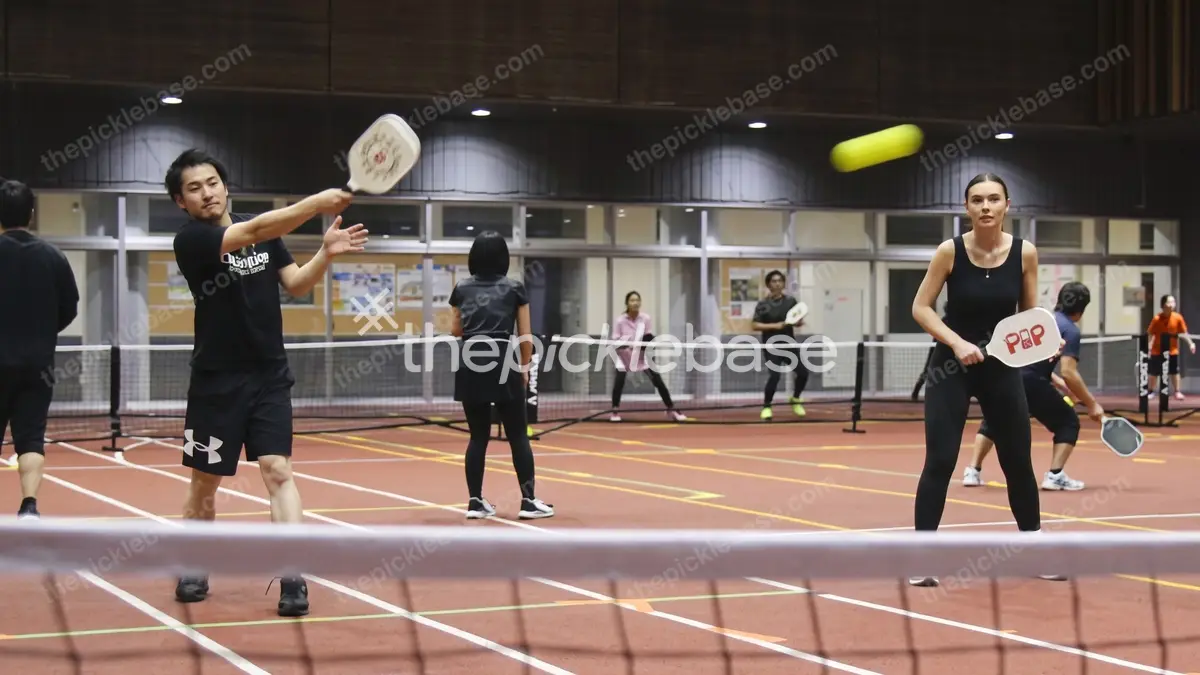
In an internet survey by Pickleball One Inc. in Japan, around 330,000 people have now tried pickleball. That is more than seven times the number of people who tried pickleball last year (at only 45,000 based on a different survey). While this headline figure has been circulating across pickleball media, what's more interesting is who is building around it and how this boom is compared to pickleball's sweep in the U.S.
The Pickleball One Survey
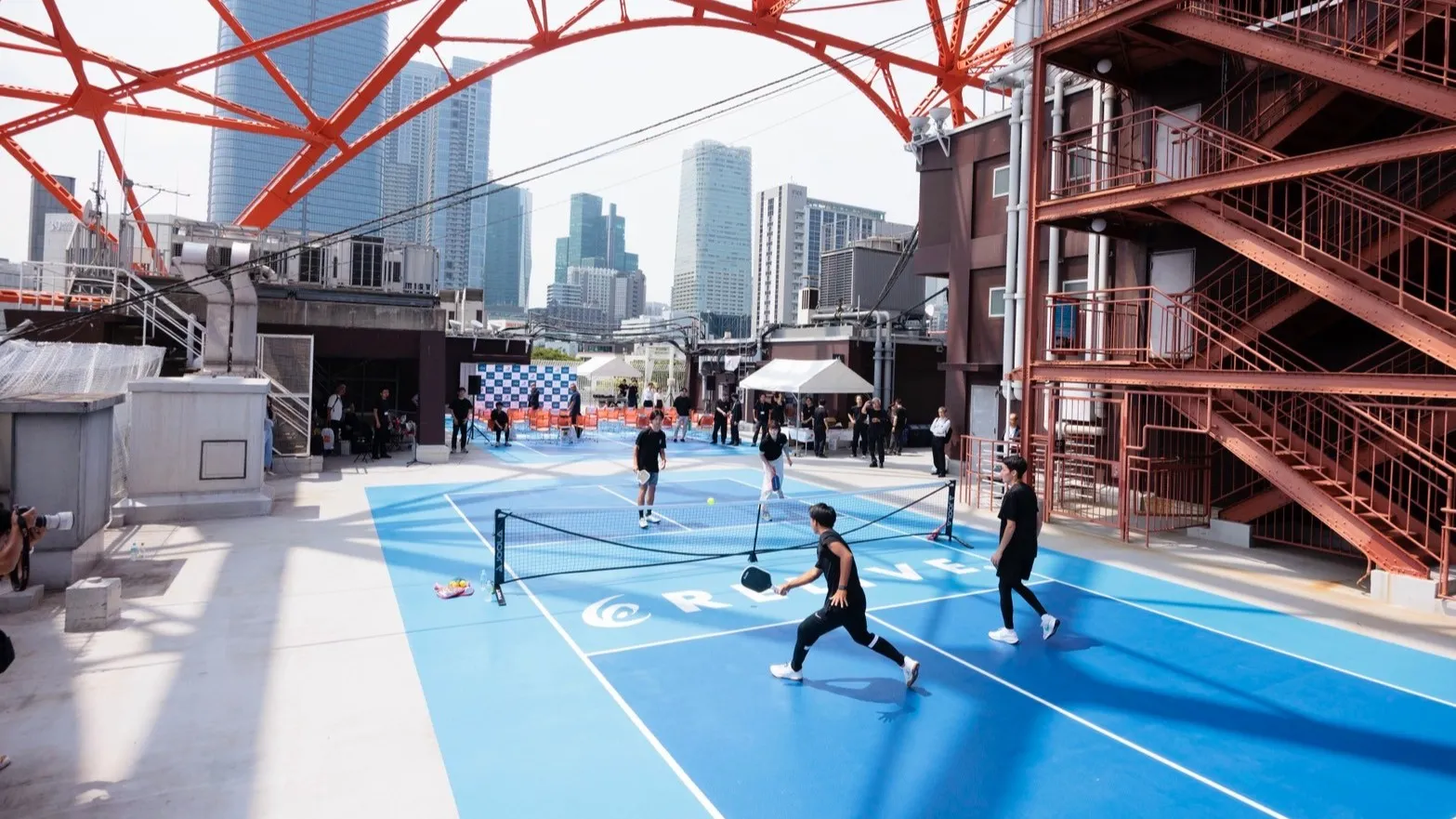
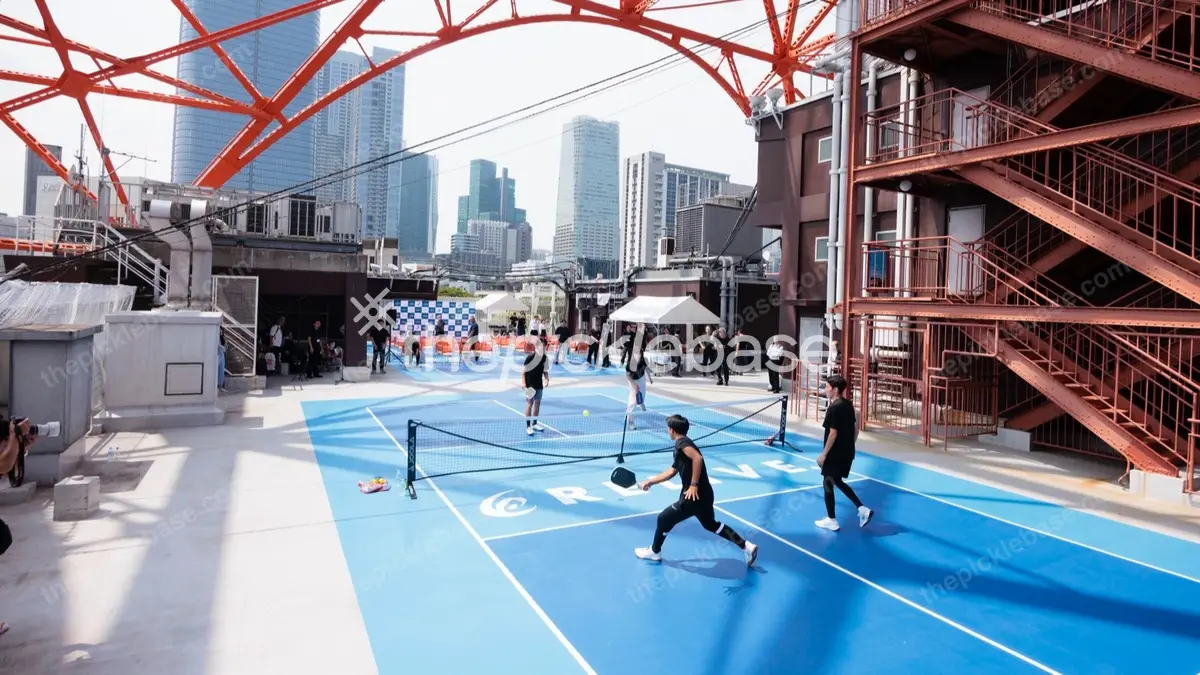
Tokyo Tower Pickleball Court. Image courtesy of Pickleball Japan
This research was based on an internet survey of 30,000 people aged 15 to 79, backed by deeper research on 103 active players. It measures people who have experienced pickleball at least once, not registered competitors or weekly regulars.
The 45,000 estimate from the year before was produced using a different method entirely, so the jump isn't a clean sevenfold year-on-year statistic. Regardless, it's still a very large number of first experiences, and that's the part worth paying attention to.
Shigeru Nishigami, Vice Director of the newly unified Pickleball Japan, has described two distinct waves behind that growth:
- People returning to Japan from the United States who wanted to keep playing.
- People who traveled abroad, discovered the sport there, and brought it home, asking where the nearest court was.
Pickleball One's research also points to a potential market of close to 11.89 million interested players, a number the company itself frames as market research rather than a forecast.
Companies Are Building the Infrastructure Before the Market Finishes Forming
Japan's boom isn't following the American script of neighbors converting tennis courts and municipalities scrambling to keep up. It's being built from the top down, with major corporations treating pickleball as infrastructure worth investing in before the recreational market has even matured.
Pickleball as a Networking Tool
Sansan, a company known for business card and invoice management software, is the clearest example. It launched a dedicated Pickleball Business Promotion Office in April 2026, led by Ryosuke Koike. The company has been running client sessions that start at 7 am and run for about 90 minutes.
Most attendees have never played before, equipment is provided, and clients can generally play a match in roughly 30 minutes. Sansan frames it as a modern substitute for a golf course meeting, minus years of practice and a full day off work.
Koike explained the thinking behind the initiative simply: the sport reflects the company's mission of bringing people together to spark innovation, an idea traced back to founder Chikahiro Terada's own experience playing pickleball as a networking tool in the United States.
Demand for somewhere to actually play caught up fast. Sansan opened a seven-court facility in Ikebukuro, Tokyo on July 10, split across indoor and outdoor courts on two floors. More than 1,800 reservations came in during the first month of bookings, before the facility had even opened.
This prompted the company to announce an additional floor almost immediately. Sansan has also served as the main sponsor of two international-level tournaments (Fukuoka Open in 2025 and Sansan Tokyo Open in 2026). In July, they became a Grand Slam Partner of Pickleball Japan, backing the national team programme.
Mizuno Entering the Pickleball Market
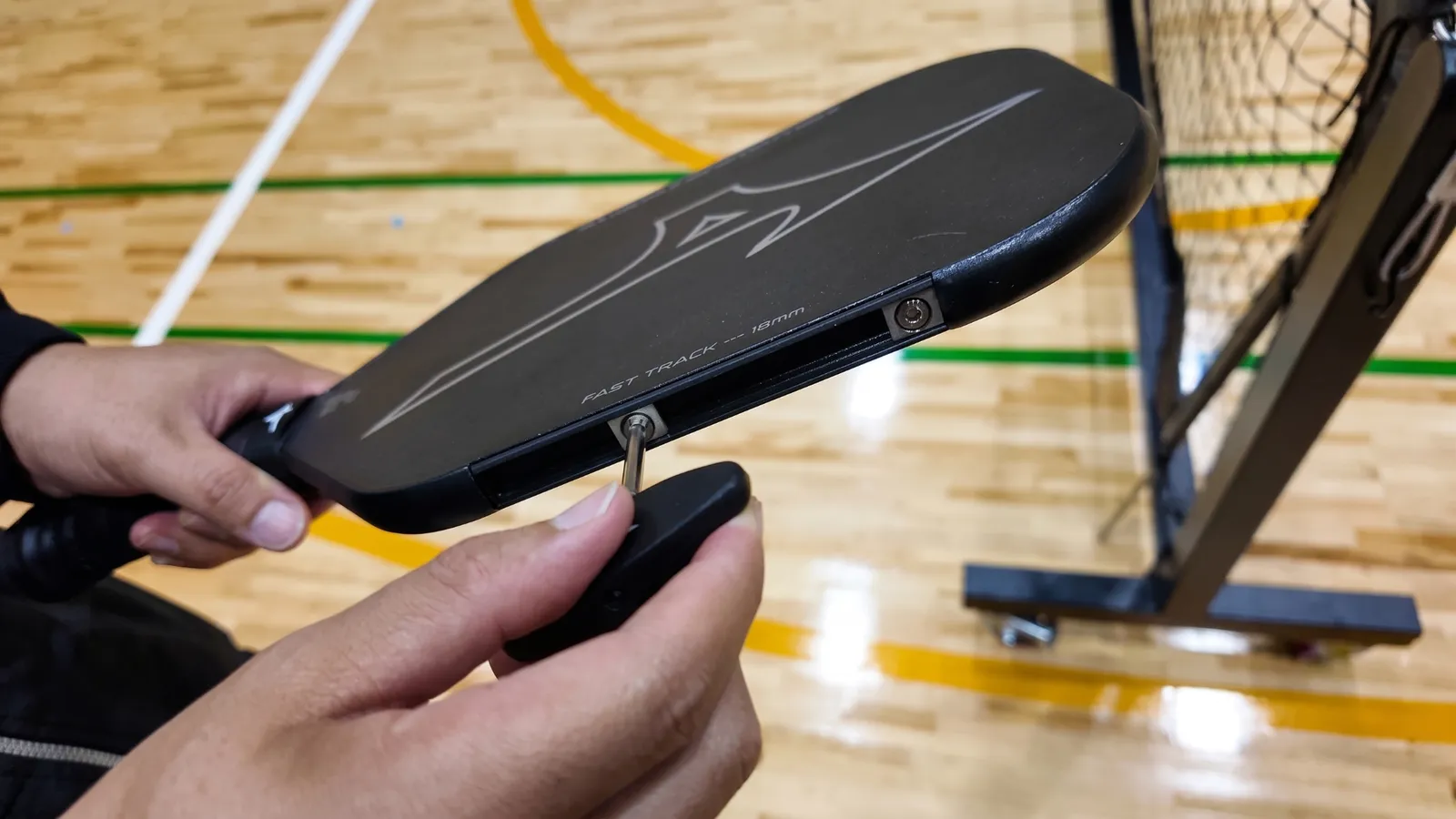
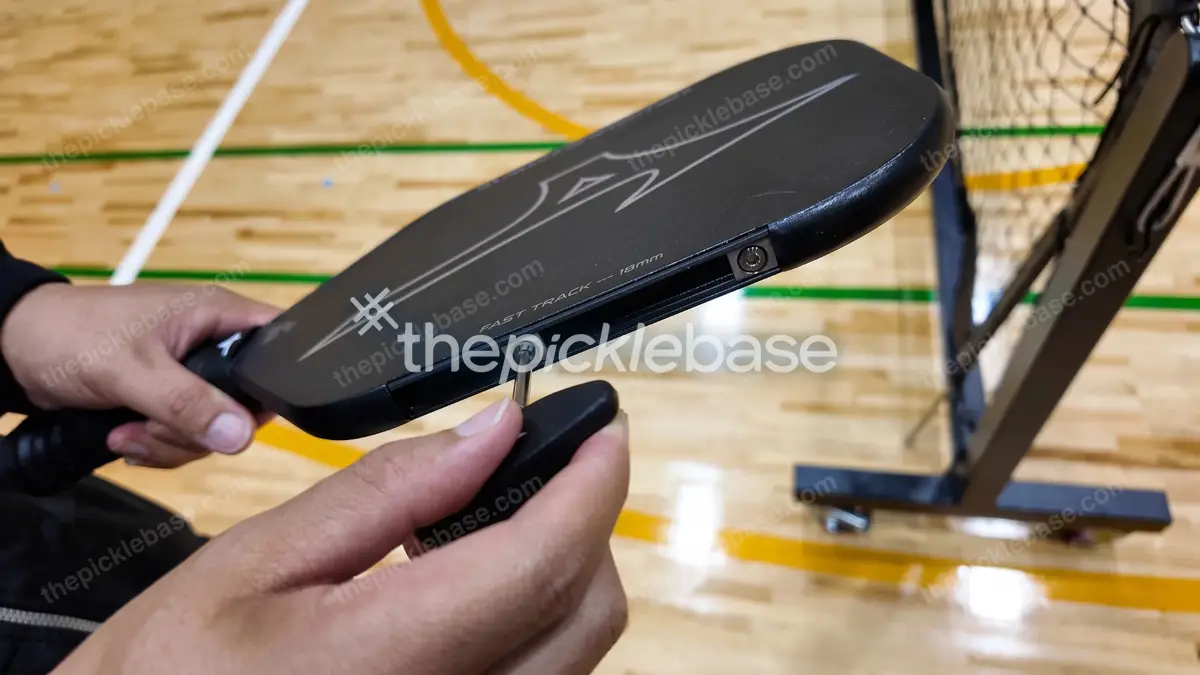
Mizuno ACROSTRIKE LX paddle with adjustable weights. Image Courtesy of Sankei/ Toshiya Nishimura
Mizuno entered the market in August with its ACROSTRIKE LX paddle, borrowing adjustable weighting technology from its golf clubs so players can shift the balance toward power or control. The paddle sold out in parts of the United States shortly after release. Mizuno has set a domestic sales target of ¥100 million for its first year and has been running clinics nationwide to tackle what Nishigami calls the sport's biggest obstacle: a shortage of courts.
Integration of Pickleball in Shopping Areas
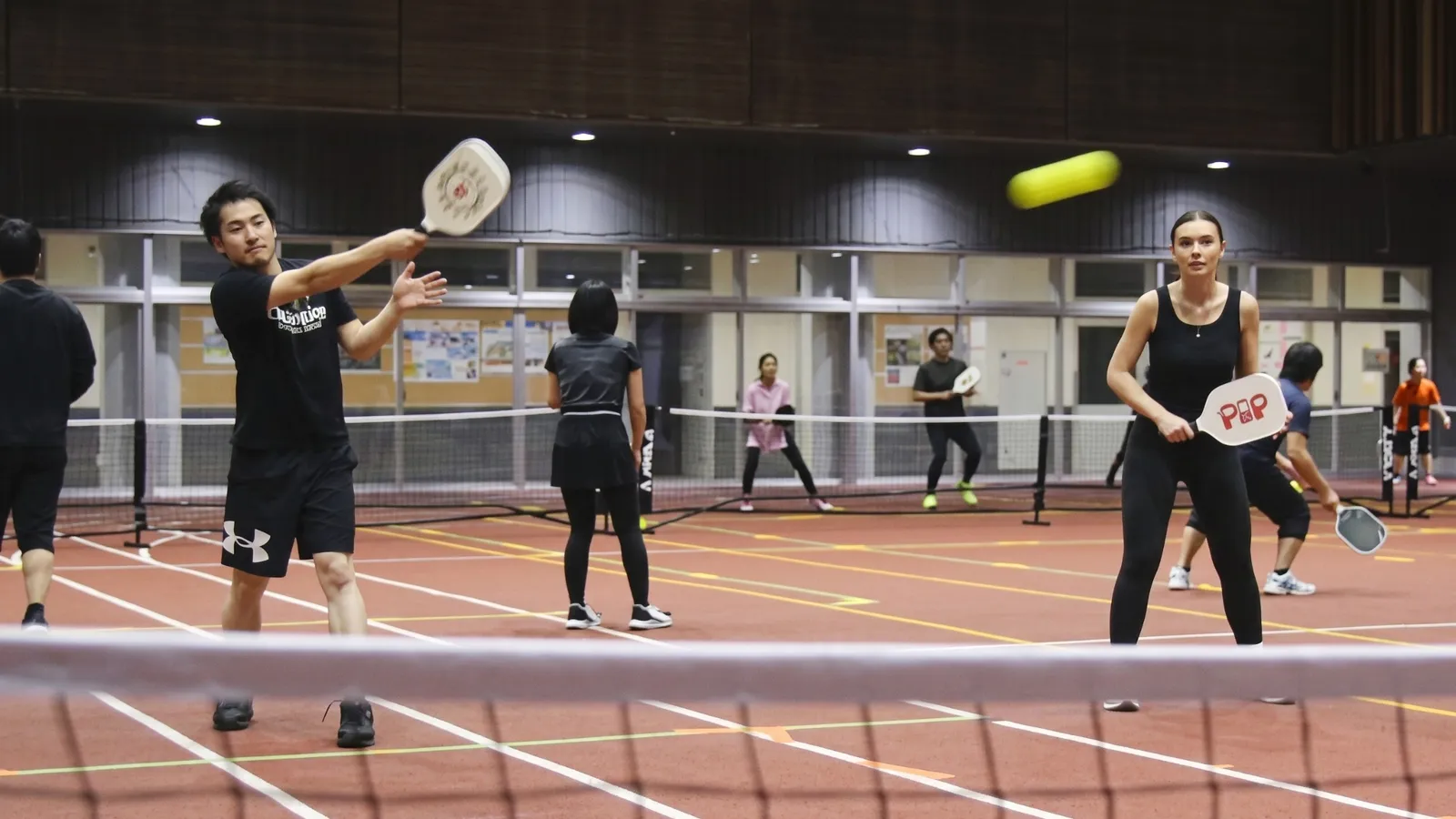
An event hosted by Mitsui Fudosan in July 2026. Image Courtesy of KyodoNews.net via Pickle.asia
Real estate giant Mitsui Fudosan has taken a different route. They have embedded courts into shopping malls and community spaces since 2024. In cities where land is expensive and every existing sporting facility already has users, pickleball's small footprint makes it one of the few sports that can be slotted into commercial space without a major rebuild.
This strategy is similar to PickleMall in Singapore, where pickleball courts are integrated at the L1 Atrium of Sengkang Grand Mall. Albeit temporary, the goal of the event was to bring the court to the players.
Governance Caught Up Too
Behind the corporate activity, Japan's two competing pickleball bodies, the Japan Pickleball Association and the Pickleball Japan Federation, signed an integration agreement in March 2026. They formally merged in April into a single organisation now operating as Pickleball Japan.
The Japan Sport Association recognised the unified body in June, giving the sport a clearer path toward national championships, coaching structures, and international competition. This includes an openly stated ambition to pursue inclusion at the Brisbane 2032 Olympics.
Pickleball isn't currently on the Olympic programme, and any future addition depends on decisions well outside one national federation's control.
A Different Kind of Crossover Story, Closer to Home
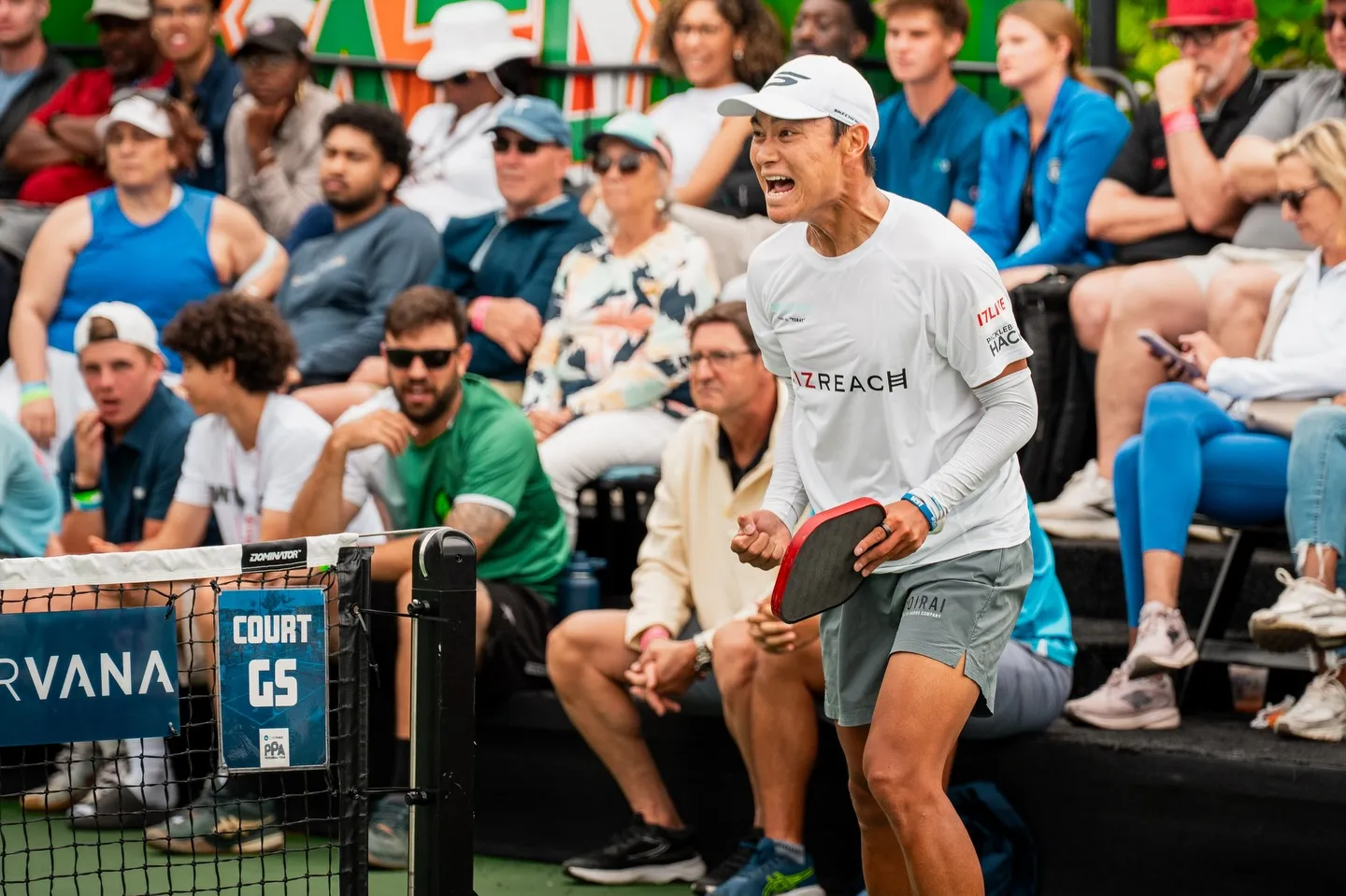
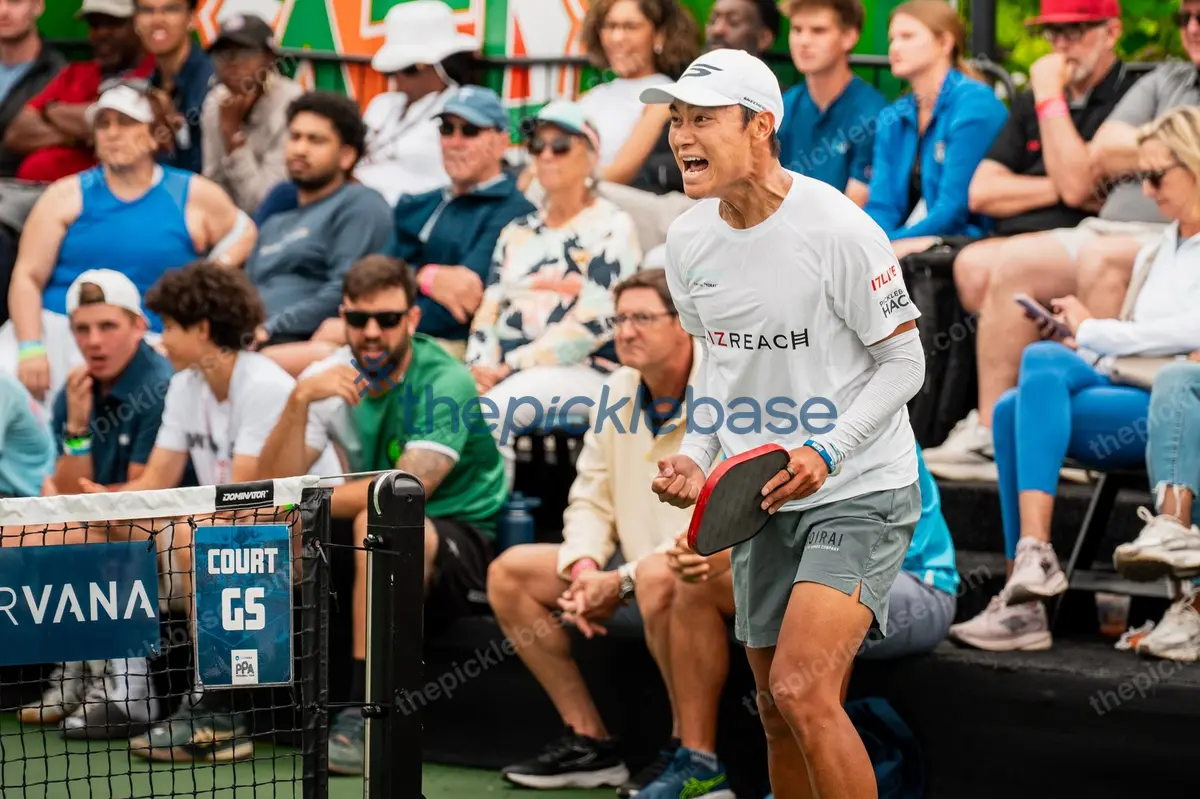
Image courtesy of @pickleballjapan_yuta via Instagram
Japan's growth model runs on corporate sponsorship and cross-sport athletes discovering pickleball later in their careers, and nowhere is that crossover clearer than in Yuta Funemizu.
Before picking up a paddle, Funemizu built a world championship-level career in soft tennis. He's credited with developing the "Yuta style," where a player uses the same side of the paddle face for both forehands and backhands to disguise shot direction and produce unpredictable spin. He's also the first Japanese-born player to sign an exclusive UPA contract on the PPA Tour, a milestone that lines up neatly with everything happening back home.
Funemizu will be partnering Tama Shimabukuro at the Leapmotor Kuala Lumpur Cup, running September 9 to 13 at The Hood. Shimabukuro already has a strong record in the city, having taken gold in mixed doubles and silver in men's doubles at the Panas KL Tour back in May. This time he's chasing a result in a new discipline with a new partner, and the pairing is one of the five to watch as the tournament rolls out its first event under the new World Pickleball Ranking system.
Watching a Japanese-born player representing that crossover story on a Malaysian court is a reminder that the growth happening in Tokyo boardrooms and shopping malls is already showing up on tour.
Where This Leaves the Region
Japan's version of the pickleball boom isn't better or worse than the grassroots version that built the sport in America. It's just different, corporate-led, infrastructure-first, and moving fast enough that governance had to catch up to demand rather than the other way around.
Whether that model produces long-term habitual players or a wave of one-off corporate try-outs is still an open question. The fact that Sansan, Mizuno, and Mitsui Fudosan are all betting on the answer says plenty about where the sport is headed next.
If Japan's approach has you thinking about where else in Asia court infrastructure is catching up to demand, browse pickleball courts in the Philippines to see how that market is building its own version of the same story. Follow @thepicklebase on Instagram for more from courts across the region.