
Cricket still rules India. Football holds a firm second place. But pickleball is now carving out its own space in the country. For the past two years, the sport has spread rapidly through India's biggest cities, especially Mumbai and Bengaluru. Players range from children to senior citizens, and the courts are filling up faster than most people expected.
India Leads Asia in Frequent Players
A joint research study by UPA Asia and YouGov Singapore surveyed over 14,000 respondents across 12 Asian territories. Individuals from China, Japan, Malaysia, the Philippines, Singapore, and Vietnam all participated in the survey.
The results placed India with the highest number of frequent players in Asia, with more than 178 million people playing at least once a month. China follows with over 60 million monthly players, and Vietnam trails with over 16 million.
Vietnam still leads in overall awareness, with about 88% of respondents familiar with the sport. Singapore follows at 70%. However, India ranks second in the share of its population with hands-on pickleball experience at 31%, just behind Vietnam's 37%.
Across the 12 territories studied, pickleball awareness grew at a 60% rate year on year. 62% of respondents said they learned about the sport within the last two years.
Not only are Indians aware of the sport, but they are showing up at courts and playing on a regular basis. That kind of consistent participation is what turns a passing trend into a real market, whether for courts, coaching programs, or local tournaments.
From A Backyard Hobby to a Business Frontier
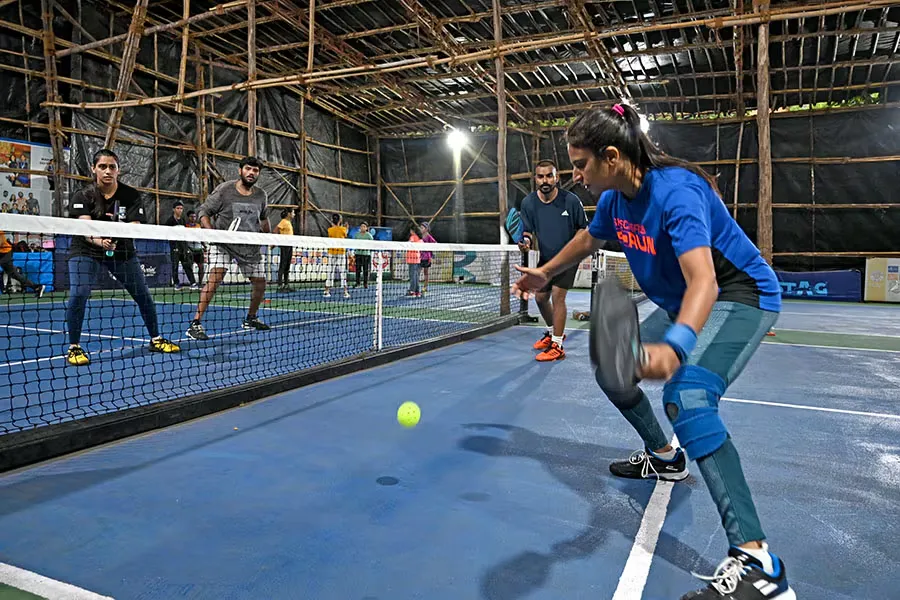
India's court infrastructure has expanded just as quickly as its player base. According to IBEF (India Brand Equity Foundation, a trade promotion body backed by India's Ministry of Commerce), the country had close to 200 operational pickleball courts in early 2024. By mid-2025, that number had jumped to nearly 1,200, with new courts appearing every few weeks in major cities.
The appeal for operators is largely financial. Setting up a pickleball court in India costs around Rs. 3 to 5 lakh, which is a fraction of what a badminton or tennis court requires. In high-demand markets like Mumbai and Bengaluru, some operators are breaking even within three months.
Investors have taken notice. Bengaluru-based startup GoRally raised Rs. 6.46 crore in funding, while US-based Goodland Pickleball secured backing on Shark Tank India at a valuation of Rs. 13 crore.
From Mumbai to Bengaluru
Pickleball's rise in India traces back to Mumbai. The sport first caught on in upscale neighborhoods like Bandra, Andheri, Goregaon, and Nariman Point before spreading citywide.
Elev8 co-founder Chirag Shrivastav, a company that organizes pickleball gatherings, pointed to accessibility as the reason for that early spread. He said the sport's low barrier to entry makes it easy for anyone to fall in love with it. It's a quality that has turned casual meetups into a genuine business opportunity.
Bengaluru, often called India's Silicon Valley for its tech industry, has become the country's second major hub. Neighborhoods like Indiranagar now host regular community groups, with informal collectives organizing their own mini-tournaments outside official events.
The sport has also become a networking and marketing tool. Corporate crowds that once connected over tennis or squash are now doing the same over pickleball, and brands have started hosting pickleball meetups to reach new customers directly.
Beyond Mumbai and Bengaluru, growth is spreading to Delhi and Gujarat, where residential societies and sports complexes are converting old badminton and tennis courts to keep up with demand. Corporate wellness programs in tech parks across Pune and Gurugram have also added pickleball courts, citing the sport's low injury risk and strong social value.
A Pathway to the Pros
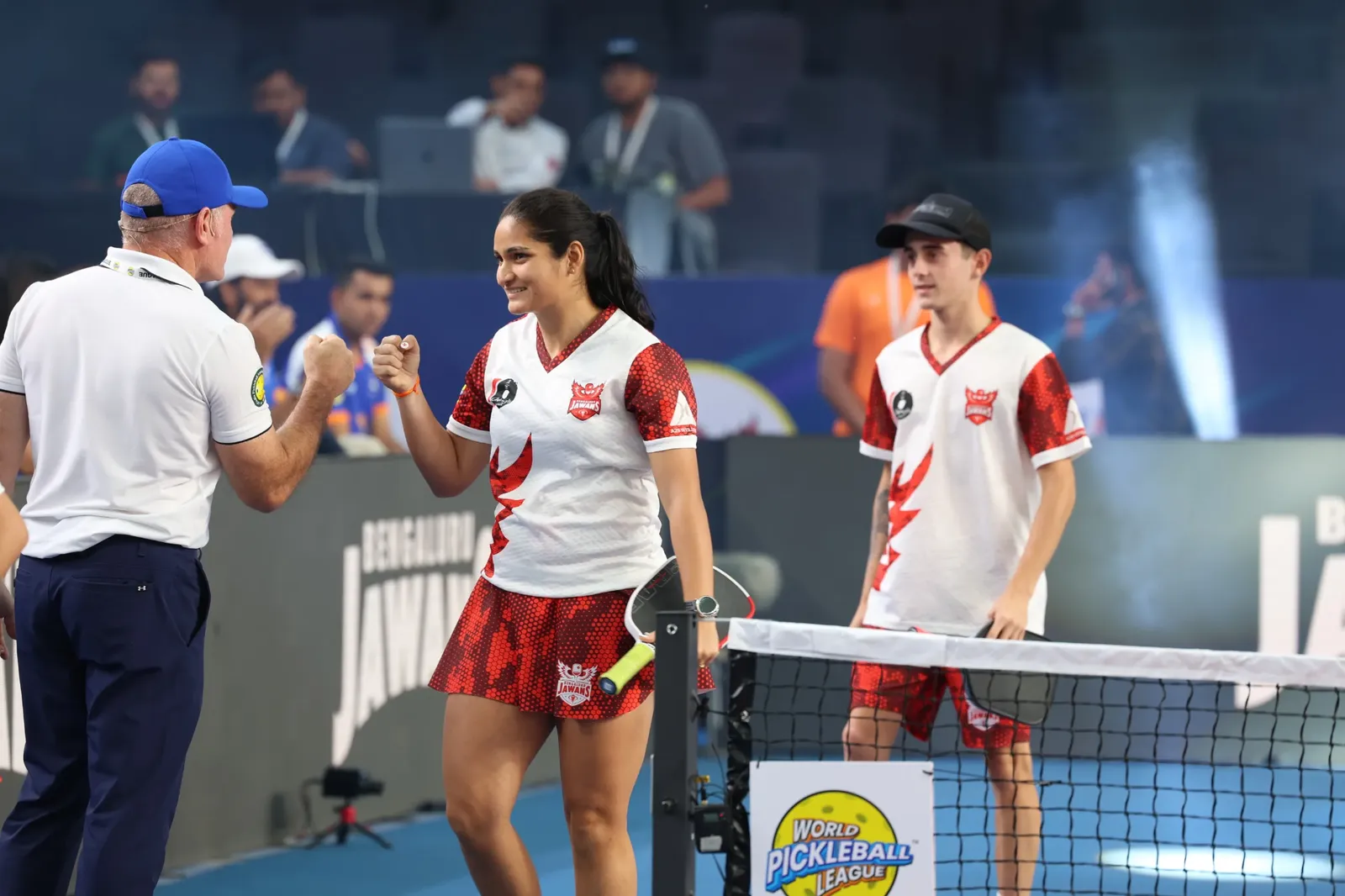
For some Indian players, pickleball has transcended from a weekend activity into a career.
Vrushali Thakare, who represents India internationally, has been playing since 2017 and moved to Mumbai to pursue the sport full-time. Sonu Vishwakarma made a similar move from Dhanbad, Jharkhand, drawn in after the 2022 Bainbridge Cup offered a $50,000 prize purse. This figure reshaped what players thought was possible in Indian pickleball.
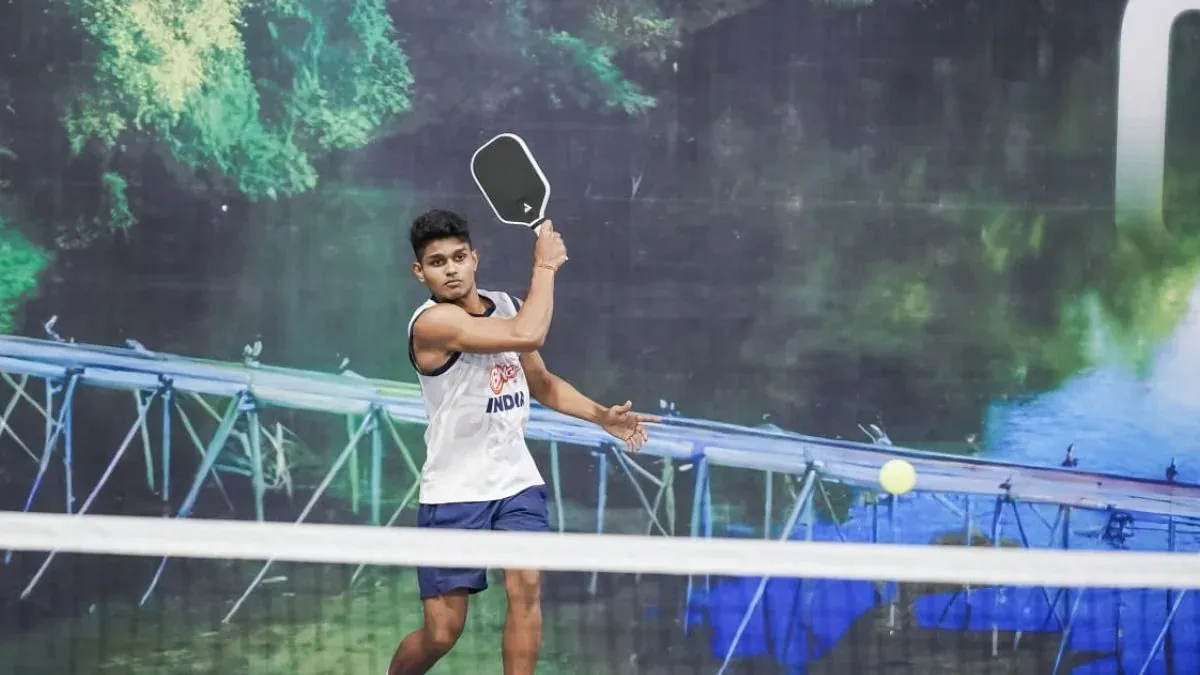
Players like Thakare and Vishwakarma are supported by the All India Pickleball Association (AIPA), which has said its long-term goal is Olympic inclusion. Unfortunately, we won't be seeing pickleball in the next Olympics in 2028, as covered in our article about seeing pickleball in the event. There is a possibility of seeing pickleball in Brisbane in 2032.
The findings from UPA Asia and YouGov reinforce why organizers are betting big on the region. Asia is home to over 4.8 billion people with a strong existing culture around racket sports, positioning the continent. In India specifically, it is fertile ground for the sport's next chapter.
Growth of Pickleball in India
India's numbers add weight to what has already been clear across Southeast Asia. Pickleball is becoming one of Asia's defining growth sports. Each market contributes its own piece of the story, from Vietnam's explosive awareness rates to India's sheer volume of active monthly players.
For a sport that barely registered in Indian conversation five years ago, being mentioned in the same breath as cricket and badminton marks a real turning point.
Looking to see how pickleball infrastructure stacks up across the region? Browse verified courts at courts.thepicklebase.com and follow @thepicklebase on Instagram for the latest tournament news and growth stories across Asia.