
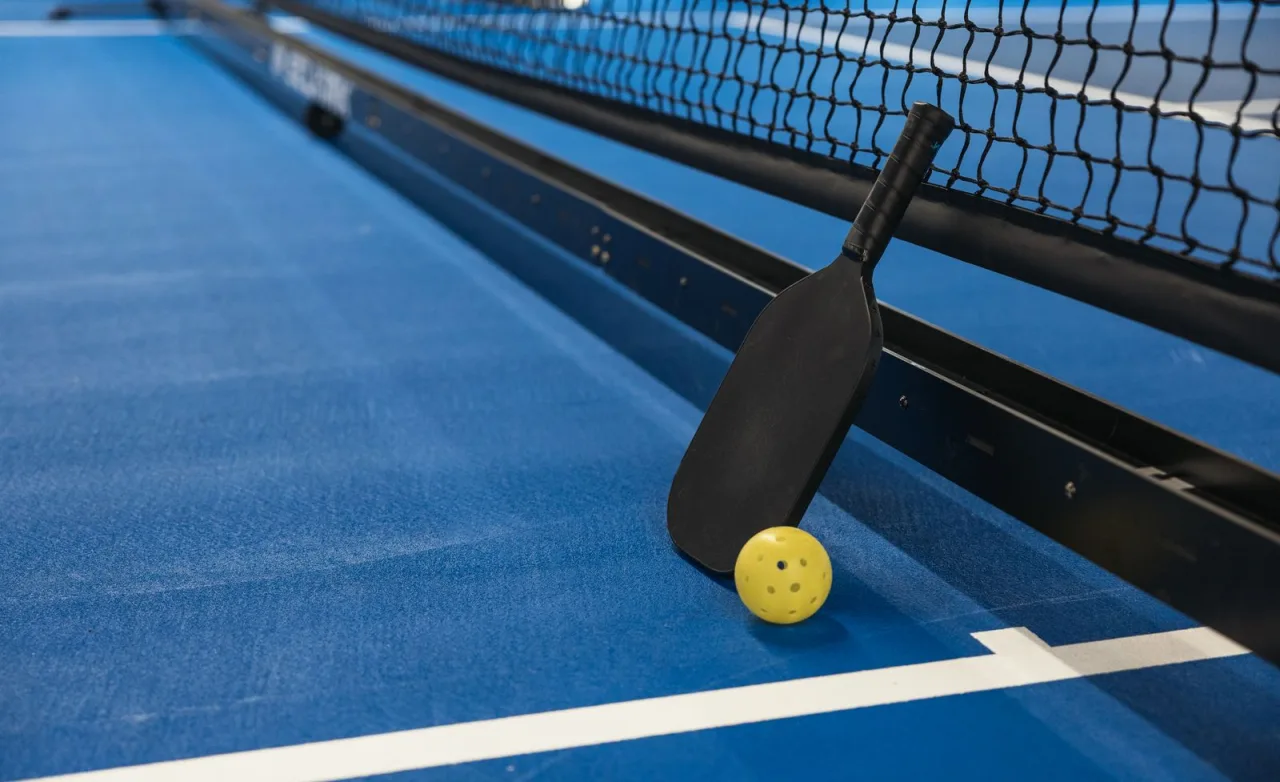
Search for any premium paddle on Shopee or Lazada, and you will find it at a third of the real price. Almost all of those are fake. Counterfeit pickleball paddles have flooded Southeast Asian marketplaces. Fake paddles are more trouble than they're worth. They play worse, wear out fast, and carries no warranty, and are considered "illegal" for rated or tournament play.
This guide shows you how to tell a real paddle from a fake one before you pay. We also have a separate guide on how to choose a pickleball paddle.
Which Paddles Get Faked Often?
Counterfeiters copy the brands with the most demand and the highest prices. The most-faked names on regional marketplaces are Joola, CRBN and Selkirk, with Gen-3 and Ben Johns models the biggest targets. Cheaper and value brands are rarely worth faking, so the risk is concentrated at the premium end, which is exactly where you least want to get burned.
If a premium paddle is listed at a big discount from normal retail, that’s a major red flag. Counterfeit listings tend to cluster around the brands people most want and the prices they least expect to see.
Big Red Flags
If you are on the search for an original paddle, always be wary. Buy from an authorized seller, verify the code, and check that the exact model exists on the approved equipment list. That combination catches most fake listings before you spend money.
Here are some red flags you should know:
Red flag | Why it matters |
|---|---|
Price too good | A premium paddle at 30 to 50 percent off retail is the clearest tell. Real stock rarely discounts that hard |
Not an authorized seller | Random marketplace shops with no brand relationship are the main source of fakes |
No serial or QR code | Real paddles from the big brands carry a serial or scannable code. A missing or unscannable one is a bad sign |
Wrong weight or feel | Fakes often miss the stated weight by a lot, or feel dead and hollow compared to the real thing |
Logo and packaging errors | Blurry printing, off colours, misspellings, or generic or missing packaging |
"OEM" or "unbranded original" | Listings that dodge the brand name while showing its paddle are fakes hedging against takedowns |
How to Verify Before You Buy
If you have your sights on a specific model listing, here are some methods to verify the make and model before purchasing:
- Check the authorized-seller list: Most brands publish who is allowed to sell their paddles in each country. Buy only from official distributors either in-store or with verified online shops in Lazada or Shopee. In Malaysia, you can purchase authentic paddles from credible stores like Picklefox, Arronax and Mypickleball.
- Scan the serial or QR code: Many brands let you verify a paddle's code on their site. No code, or a code that does not check out, is a fail.
- Cross-check the USA Pickleball approved list: If a listing claims a model and generation, confirm that exact model exists and is approved on the official equipment list. Fakes often name a model that was never made in that spec.
- Ask the seller a specific question: Real sellers know their stock. Vague answers about warranty, origin, or specs are a big red flag
Why Fakes are Never Worth It
Beyond the ethics, a fake is a bad buy on its own terms. These paddles will cost you more in ways that matter most, such as performance, durability, and trust.
In a Youtube video by Enhance Pickleball, a side-by-side test compared counterfeit versions of Selkirk Boomstick, Honolulu Pickleball Co J6CR, and JOOLA Pro V against the real paddles. The counterfeit paddles often had a rougher or less consistent surface texture, while the real paddles had a more uniform finish. The fake paddles produced different sound signatures (sometimes deeper or higher-pitched), which suggested different internal construction and a less stable feel.
Some fakes showed quicker wear, with the honeycomb core becoming visible sooner than on the genuine paddle. Furthermore, Visual details were also off, including blurrier text, inconsistent ink, and slightly different color tones or markings. On-court, the fakes did not match the real paddles’ performance and feel.
How Even Real Paddles Can Become Tournament "Illegal"
A paddle can be tournament illegal if it fails the governing body’s equipment rules, even if it’s a genuine brand paddle. Before a sanctioned match, referees can verify that the paddle is on the approved list, has the correct approval mark, and clearly shows the brand and model. They can also inspect both hitting surfaces for damage or illegal texture.
Here are some ways a real paddle can be illegal in tournament play:
- It is not on the approved list for sanctioned play.
- It has been delisted later because the rules changed or the paddle was found to exceed limits.
- It has been altered after purchase, such as sanding, weighting, adding friction, or other modifications.
- It shows wear or damage like delamination, cracks, holes, rough spots, or indentations that change how it performs.
- It exceeds limits for surface roughness, core compression, deflection, or power output.
A paddle can be completely authentic, but if it was later banned or if you sanded the face to add spin, it becomes illegal for tournament play.
When in doubt, buy from a physical shop where you can hold it first. In Malaysia, the authorized shops we list are the safe route.
If a premium paddle is half price on a marketplace, it may be a fake. Buy from an authorized seller, verify the code, and check the approved list before you pay.
Common questions
How can I tell if a pickleball paddle is fake?
Look for a price that is too good, a seller who is not authorized, a missing or unscannable serial or QR code, wrong weight, and logo or packaging errors. Two or three of these together mean it is almost certainly fake.
Are cheap paddles on Shopee and Lazada fake?
Cheap budget-brand paddles are often genuine. Cheap premium-brand paddles, especially Joola, CRBN and Selkirk at a big discount, are usually fake. The risk is concentrated in premium names sold well below retail.
Is it illegal to play with a fake paddle?
A fake will not meet the real paddle's approved specs, so it is not legal for DUPR-rated events or sanctioned tournaments. It also has no warranty and worse durability. It is a bad buy even setting aside the counterfeiting.
How do I check if a paddle is USA Pickleball approved?
Search the model on the official USA Pickleball equipment list. If the exact model and generation is not listed, or the listing on a marketplace names a spec that does not exist, treat it as fake or delisted.