
When it comes to pickleball courts, the player base is split between indoor vs outdoor. Many players love playing indoors due to its predictable and climate-controlled environment. There is zero wind or glare that can affect your game. Temperature-regulated environments prevent extreme heat, cold, or high humidity from draining stamina or altering equipment performance.
On the other hand, outdoor courts are more economical. Not only are they free, but they are also much easier to drop into without paying hourly reservation or membership fees. Outdoor courts have a more vibrant social atmosphere with open-play systems, paddle rotation, and community involvement.
Both types of courts follow the same dimensions and rules, but provide a different experience.
What Stays the Same
Regardless of venue, a regulation pickleball court is always 20 feet wide by 44 feet long, with an identical 7 foot non-volley zone on each side of the net and a net that sags to 34 inches at the center. Every line width, every service court dimension, and every rule stays fixed whether you're playing in a converted warehouse or an open-air complex. For the complete dimension breakdown, see our pickleball court layout guide.
Surface Differences
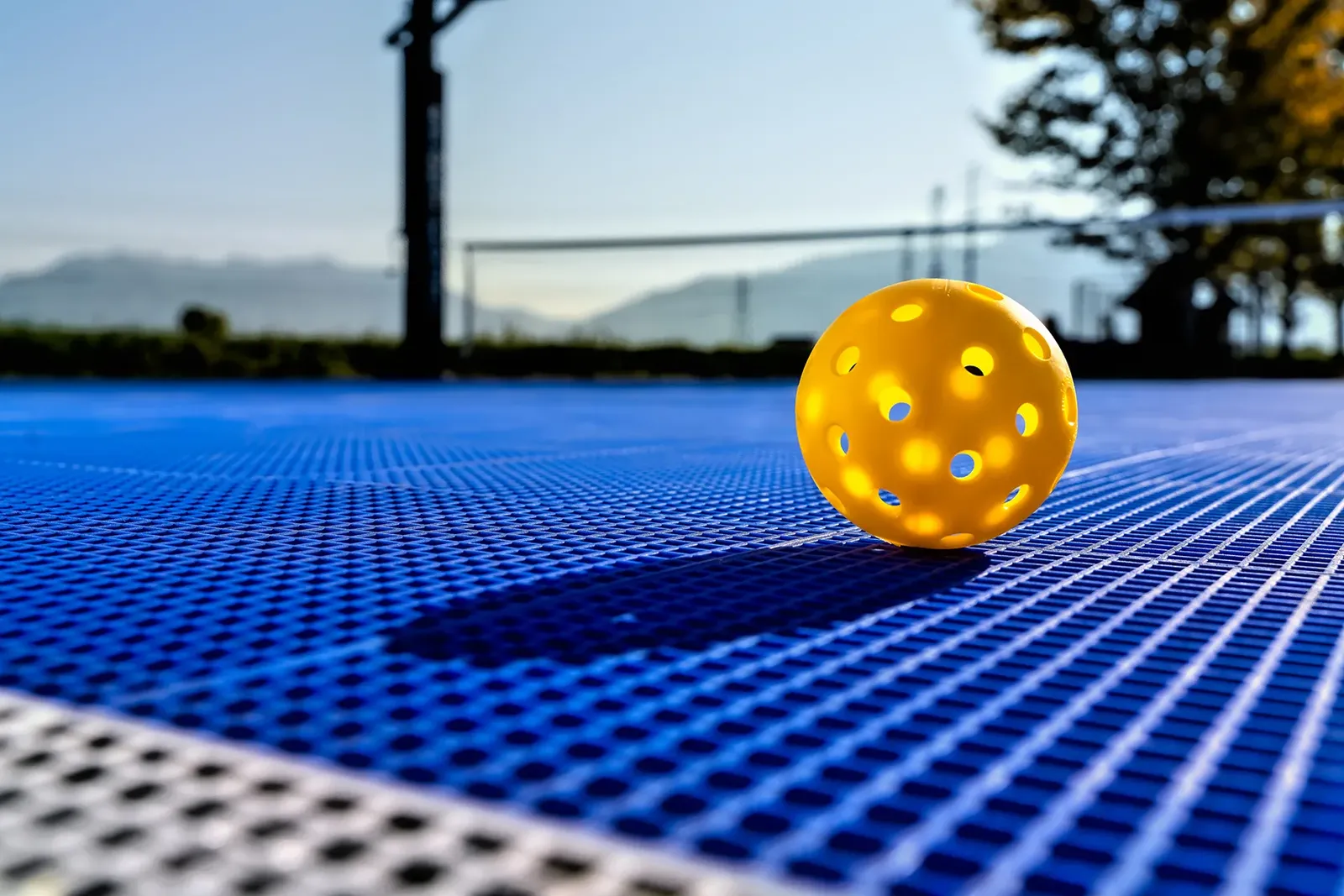
Outdoor courts are most commonly built on an acrylic-coated asphalt or concrete base, the same family of surfaces used for outdoor tennis courts, chosen for durability against sun, rain, and heavy year-round use.
On the other hand, indoor courts more often use a cushioned sports surface such as poured polyurethane, PVC sports tile, or occasionally a hardwood floor when the space was originally built for basketball or badminton.
These surfaces play differently. Concrete and acrylic tend to be harder underfoot and faster off the bounce. Indoor sports flooring is typically more forgiving on joints during long sessions and produces a slightly softer, more predictable bounce. For a full comparison of surface types and how each affects gameplay, see our guide to best surfaces for pickleball courts.
Ball Differences (Outdoor vs Indoor Balls)
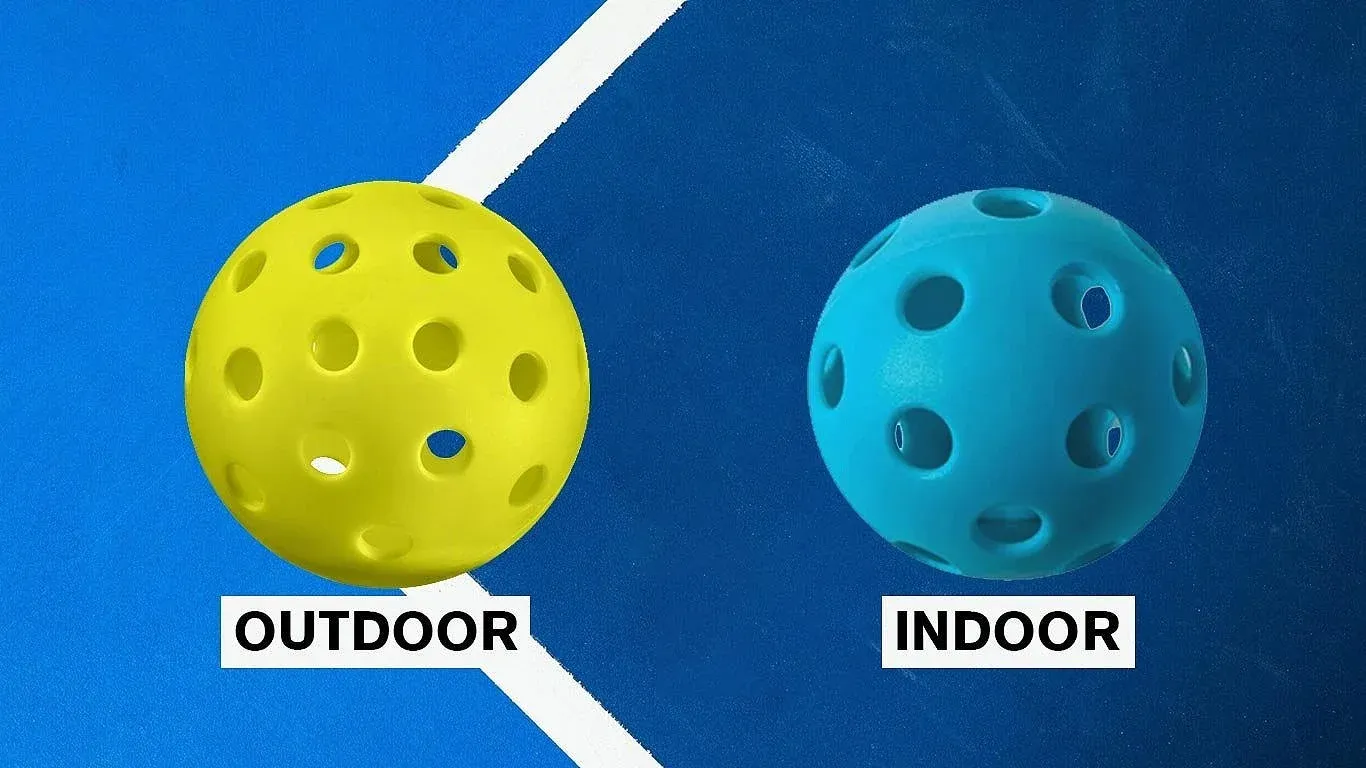
Pickleballs themselves are made differently depending on where they're designed to be used. Outdoor balls have smaller, more numerous holes, usually around 40, and are made from a slightly harder, heavier plastic to resist wind and hold their flight path outside. Indoor balls have fewer, larger holes, typically around 26, and use a softer, lighter plastic tuned for the more controlled conditions of an enclosed space.
Using an indoor ball outdoors, or vice versa, is one of the most common mistakes new players make when switching venues, and it noticeably changes both bounce height and flight consistency. You can read more about indoor vs outdoor balls on our guide.
Lighting and Wind
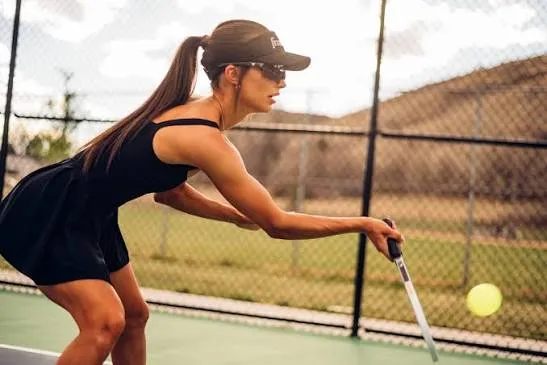
Outdoor courts are subject to weather and climate. Wind affects lobs, high shots, and serve trajectory in ways that indoor play never has to account for, and afternoon sun angle can make certain ends of a court genuinely harder to serve from at specific times of day, which is why many outdoor facilities orient their courts north to south where possible.
Indoor courts remove both variables entirely, replacing natural light with fixed overhead lighting and eliminating wind. This produces a more consistent, technically pure version of the game. Competitive players often prefer indoor conditions for exactly this reason, since it isolates skill from environmental luck.
Climate Considerations in the Tropics
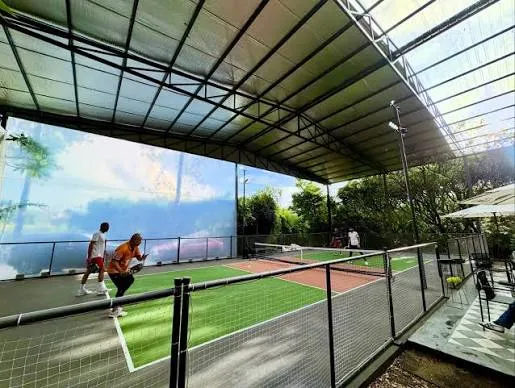
Across Malaysia and much of Southeast Asia, this decision carries extra weight that players in temperate climates don't have to think about. Outdoor courts here deal with intense midday heat, sudden monsoon downpours, and high humidity that can affect grip and stamina significantly faster than in cooler climates. Many facilities in the region schedule outdoor peak hours around early morning or evening specifically to avoid the harshest heat window.
Indoor and covered courts have become a genuine growth category regionally as a result. It's not a luxury upgrade but a practical response to weather that can shut down an outdoor session with little warning. A covered or fully indoor facility also means bookings don't get cancelled by rain, which matters a great deal for coaching businesses and league organizers running fixed schedules.
Cost and Availability
Outdoor courts are generally cheaper to build and to book, since they don't require air conditioning, artificial lighting, or a roof structure. This is part of why outdoor courts still make up the majority of casual and community play across the region. Indoor and covered courts typically carry a higher hourly rate to reflect the added infrastructure, but they offer year-round reliability that outdoor venues simply cannot guarantee.
Factor | Outdoor | Indoor |
|---|---|---|
Surface | Acrylic-coated asphalt or concrete | Polyurethane, PVC tile, or hardwood |
Ball type | Harder plastic, more/smaller holes | Softer plastic, fewer/larger holes |
Weather exposure | Full sun, wind, rain | None |
Typical cost | Lower | Higher |
Best for | Casual play, budget-conscious groups | Competitive play, rain-proof scheduling |
Which Should You Choose?
Neither surface is objectively better, and most regular players end up doing both depending on the day. Outdoor courts suit casual, social, budget-friendly play and are more widely available across the region. Indoor courts suit players who want a consistent, weather-proof environment for serious training, coaching sessions, or league play where a cancelled booking isn't an option.
Whether you're chasing shade or air conditioning, browse both indoor and outdoor venues near you at courts.thepicklebase.com and follow @thepicklebase for more venue guides across the region.
Common questions
Can I use an outdoor ball indoors?
You can, but it will bounce differently than an indoor-specific ball and may feel unusually hard or lively on a soft indoor surface. Most serious indoor facilities stock the correct ball type.
Does humidity really affect play that much?
Yes. High humidity affects grip on both the paddle handle and the ball itself, and it accelerates fatigue during long rallies, which is a genuine consideration during peak tropical heat.
Are indoor courts always more expensive to book?
Generally yes, since indoor facilities carry higher overhead for climate control and lighting, though pricing varies significantly by venue and region.
Is one surface safer on the joints than the other?
Cushioned indoor sports flooring tends to be gentler on knees and ankles during extended play compared to harder outdoor surfaces like concrete, though proper court shoes matter more than the surface itself for injury prevention.