
What does it take to put a country on the global pickleball map? Apparently, it starts with one city.
The Philippines is moving to build a world-class pickleball center in Pasig City. It's a move designed to push the country into serious international contention in the sport.
The goal is recognition on the global stage, and the Pasig facility is the centerpiece of that ambition.
Helios Pickleball Center in Pasig City

The Helios Pickleball Center will include 25 regulation tournament courts and a 2,000-seat showcase arena built to host Professional Pickleball Association (PPA) and Major League Pickleball (MLP) events.
Dickie Bachmann, former chairman of the Philippine Sports Commission and now head of operations at Kosmas Athletic Ventures Corporation (KAVC), said the venue could position the Philippines as an early player in one of the globe’s fastest-expanding sports. He noted the rapid local uptake of pickleball, with new courts popping up across the country, and stressed that maintaining this momentum could translate into global relevance for the Philippines in the sport.
During the signing of a partnership for the project, he mentioned:
“We have seen the sudden rise of the sport in the country and we are aware of new courts appearing everywhere. If we can sustain this popularity for a new sport like pickleball, maybe we can also give the Philippines an instant foothold in the sport worldwide."
The Helios Pickleball Center moved from concept to reality when KAVC formalized a partnership with Robinsons Land and U.S.-based Johns Design and Consulting (JDC) at Atleta 63, Inc. in Bridgetowne, Pasig City.
Why Pasig and Why Now?
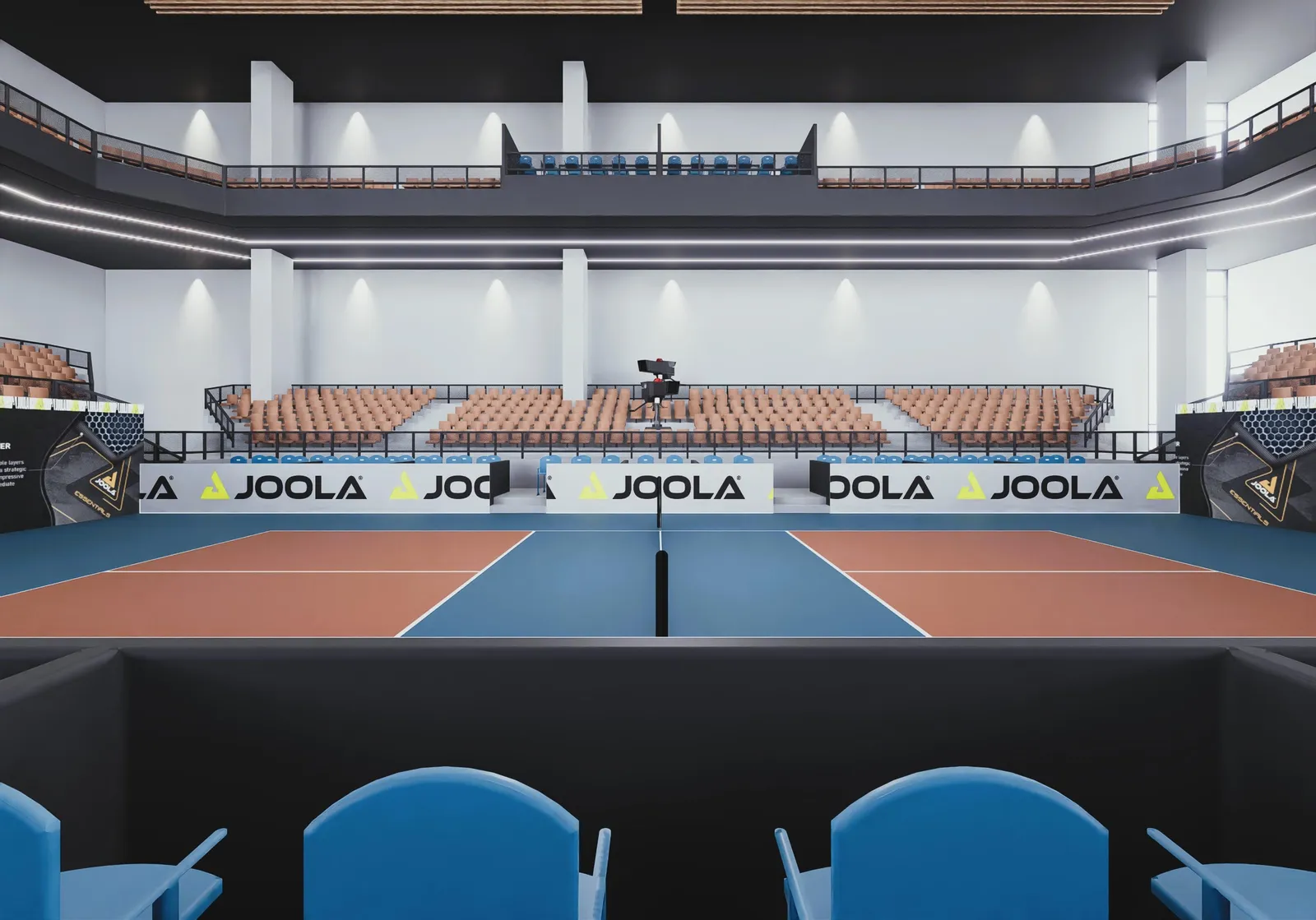
Pickleball has exploded across Southeast Asia. It's easy to learn, is a social sport, and can be played in short sessions on compact courts. It fits the urban lifestyle and existing racket culture that everyone in the region has enjoyed. That same recipe is now driving rapid growth in the Philippines, where the sport has moved from a few grassroots clinics in 2017–2019 to a nationwide network of 300+ clubs, tens of thousands of registered players.
However, to grow the sport, the country needs infrastructure. The Pasig City center is being developed specifically to meet world-class standards. It's the kind that can host international tournaments and attract top-tier competition to Philippine soil.
The Bridgetowne Destination Estate is seen as the "sports city" with the right mix of location, infrastructure, and ecosystem to support both daily community play and international tournaments. Bridgetowne sits between Pasig and Quezon City, making it easy to reach for a large catchment of players, fans, and sponsors across the capital region.
The Bigger Picture Behind the Project
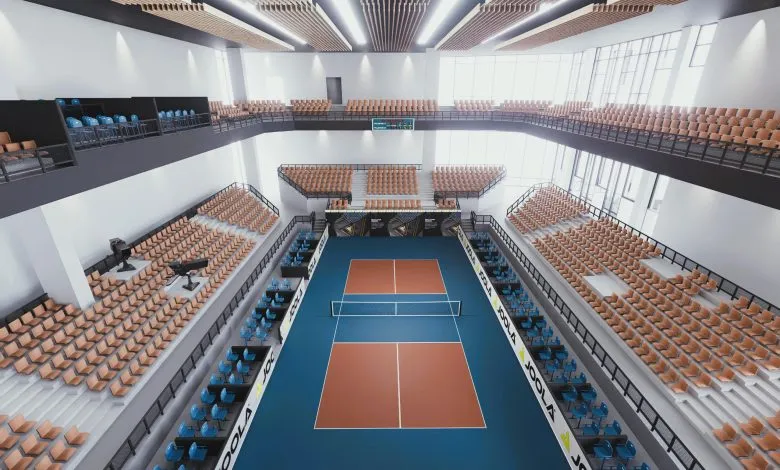
The development is part of a broader national push to position the Philippines as a legitimate force in pickleball. Although the country has many well-known players such as Sarah Jane Lim‑Narvasa and Leander Lazaro, the Philippines wants to position itself as a prime destination for pickleball.
The Sports
The estate already hosts world-class facilities such as the world’s largest permanent obstacle park, a dedicated UAAP arena, and integrated jogging/cycling paths. This infrastructure is a carefully positioned hub where casual fitness meets elite competition. Overall, it aligns with the vision for Helios as a “360-degree” sports and lifestyle destination.
The Philippines is Betting on Pickleball's Upward Curve
Pickleball is still relatively young as a globally organized sport, which means the window to establish dominance is open right now. Countries that build early and build well tend to own the narrative later.
The Philippines is making its move during that window. The Pasig City center is the most concrete expression of that bet yet.
Whether the facility lives up to world-class billing will become clear as development progresses. But the direction is set, and the intent is serious. Pasig City might just be where the Philippines reaches for it.