

Pickleball arrived late in South Korea. But the country is making up for lost time in a big way.
While the sport has been reshaping recreational sports culture across North America and Southeast Asia for years, South Korea was relatively quiet on the pickleball front. In 2025, however, search interest surged sharply, courts started filling up, and the sport began popping up in unexpected places, including K-pop livestreams.
According to reporting by The Korea Herald, pickleball has shifted from a niche activity mostly popular among older adults to a sport drawing in office workers, expats, and former tennis players. It is attracting people across age groups, and the infrastructure is scrambling to catch up.
Courts Cannot Keep Up With Demand
Seoul opened a 14-court pickleball complex at Gwangnaru Hangang Park in April 2026, one of the city's largest dedicated facilities to date. It is a sign that local governments are starting to take the sport seriously, but players say the demand already outpaces what is available.
Lee Chul-hee, former president of the Seongdong-gu Pickleball Association, told The Korea Herald that overcrowding has become a regular issue, particularly in areas like Seoul Forest where multiple clubs share limited court space. To get around this, some groups have started booking private gymnasiums, which raises its own concerns about who actually gets to play.
There are also conversations about court surfaces. Some outdoor hard courts are tough on the joints, which matters in a community where older players still make up a meaningful share of participants.
Why It Is Growing So Fast
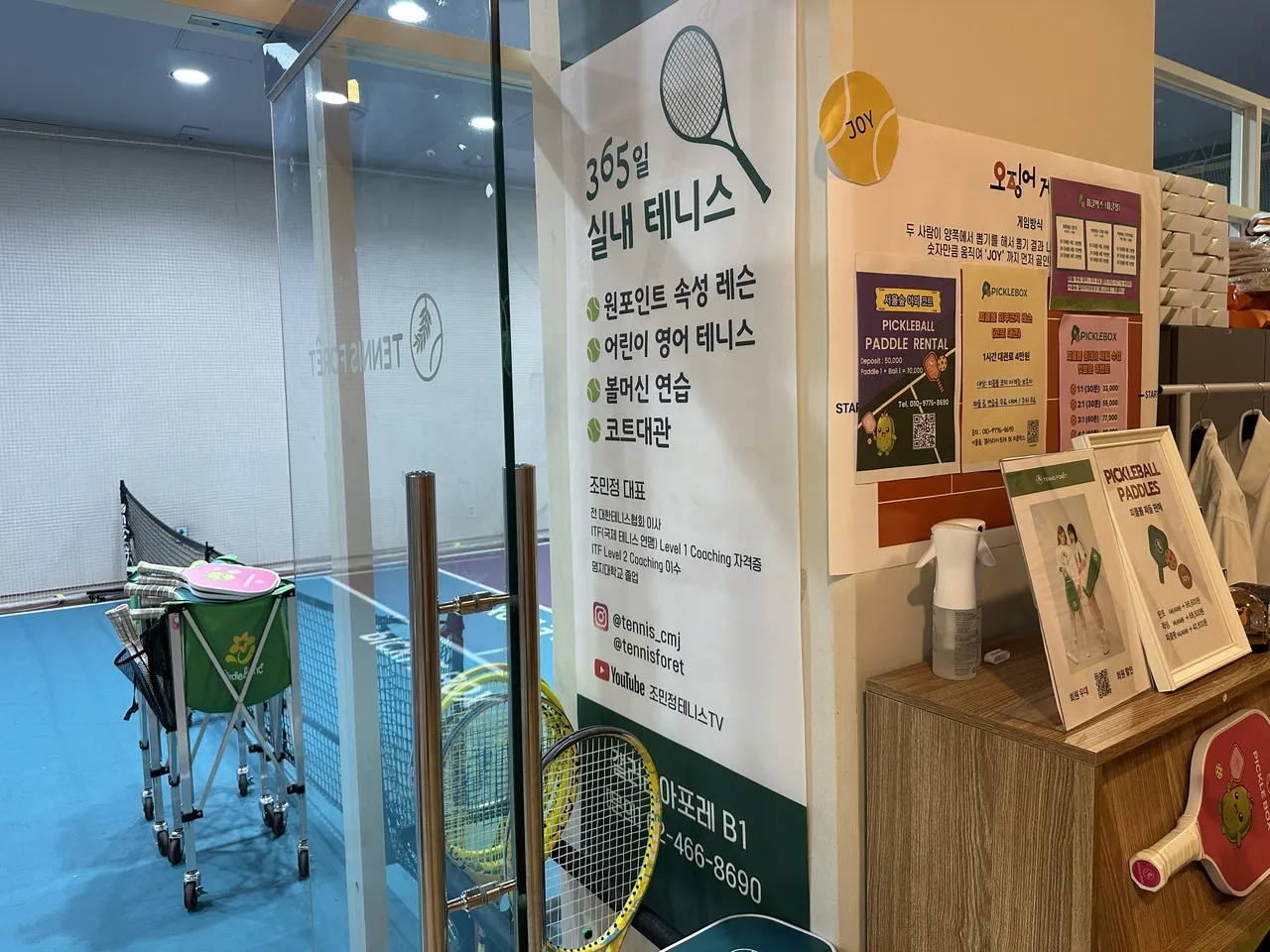
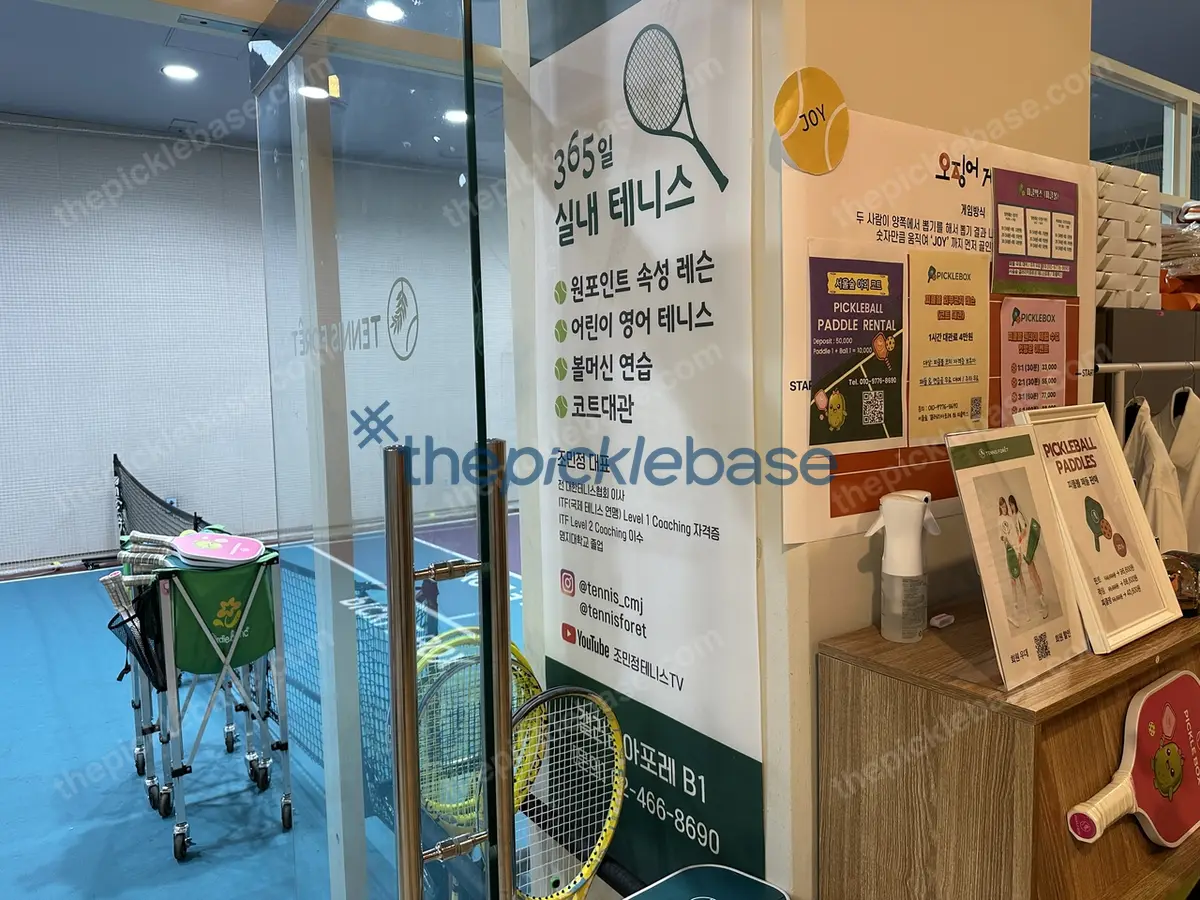
Coaches point to pickleball's accessibility as the main driver. Cho Min-jung, a former Korea Tennis Association board member who converted her indoor tennis centre into a pickleball venue, told The Korea Herald that worsening economic conditions have pushed people toward sports. Pickleball simply takes less time, costs less money, and is easier on the body than tennis.
That tracks with what has driven the sport everywhere else. Beginners can rally almost immediately. You do not need to be athletic or experienced to have a good time on the court. And unlike tennis, you do not need to invest years into developing technique before the game feels rewarding.
Expat communities also helped seed the game early. Korean American players told The Korea Herald they created spreadsheets and community guides to help people find courts, which eventually brought in more local players. That kind of grassroots organizing is a pattern that has shown up in other fast-growing Asian markets, too.
The Celebrity Factor

If there is one thing that can accelerate a trend in South Korea, it is celebrity attention. Pickleball has been getting plenty of it.
Variety show personalities like Jun Hyun-moo and martial artist Choo Sung-hoon have featured the sport on television. But the biggest boost came from BTS. Members Jin, V, and RM recently talked about playing pickleball during a livestream, and videos of the group playing overseas circulated widely online. For a sport trying to reach younger audiences, that kind of organic visibility is hard to buy.
It mirrors what happened in the United States, where celebrity endorsements from athletes and entertainers helped push pickleball from a retirement community staple to a mainstream phenomenon. South Korea appears to be following a similar path, just compressed into a much shorter timeframe.
From Around 5,000 Players to Something Much Bigger
Community estimates cited by The Korea Herald suggest there were roughly 5,000 pickleball players in South Korea in 2023. Given what has happened since, that number almost certainly looks very different today. Google Trends data shows Korean search interest rising through 2024 before surging sharply toward the end of 2025.
Clubs are forming. Courts are getting built. New players are picking up paddles every week. The question is no longer whether pickleball will take hold in South Korea. It already has. The real story now is how quickly the country can build the infrastructure to match the appetite.
South Korea joins a growing list of Asian markets, including the Philippines, Malaysia, and Vietnam, where pickleball has moved from curiosity to community sport at remarkable speed. What makes the Korean story worth watching is the combination of celebrity culture, a highly connected population, and a proven appetite for new recreational trends. All of that tends to turn a wave into a flood.
Which K-pop idol would you like to pick up the paddle? Tell us in the comments or follow us on Instagram @thepicklebase.